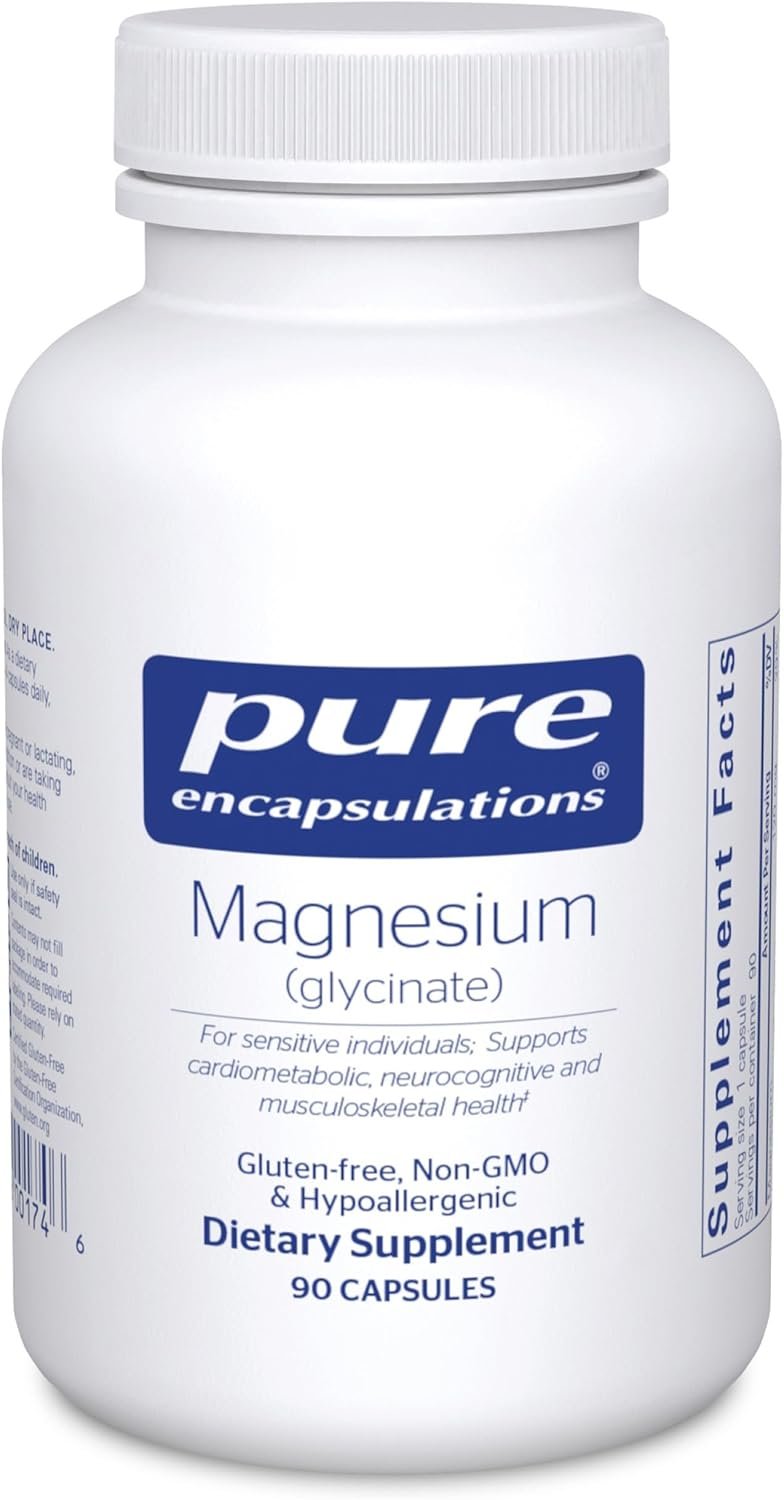



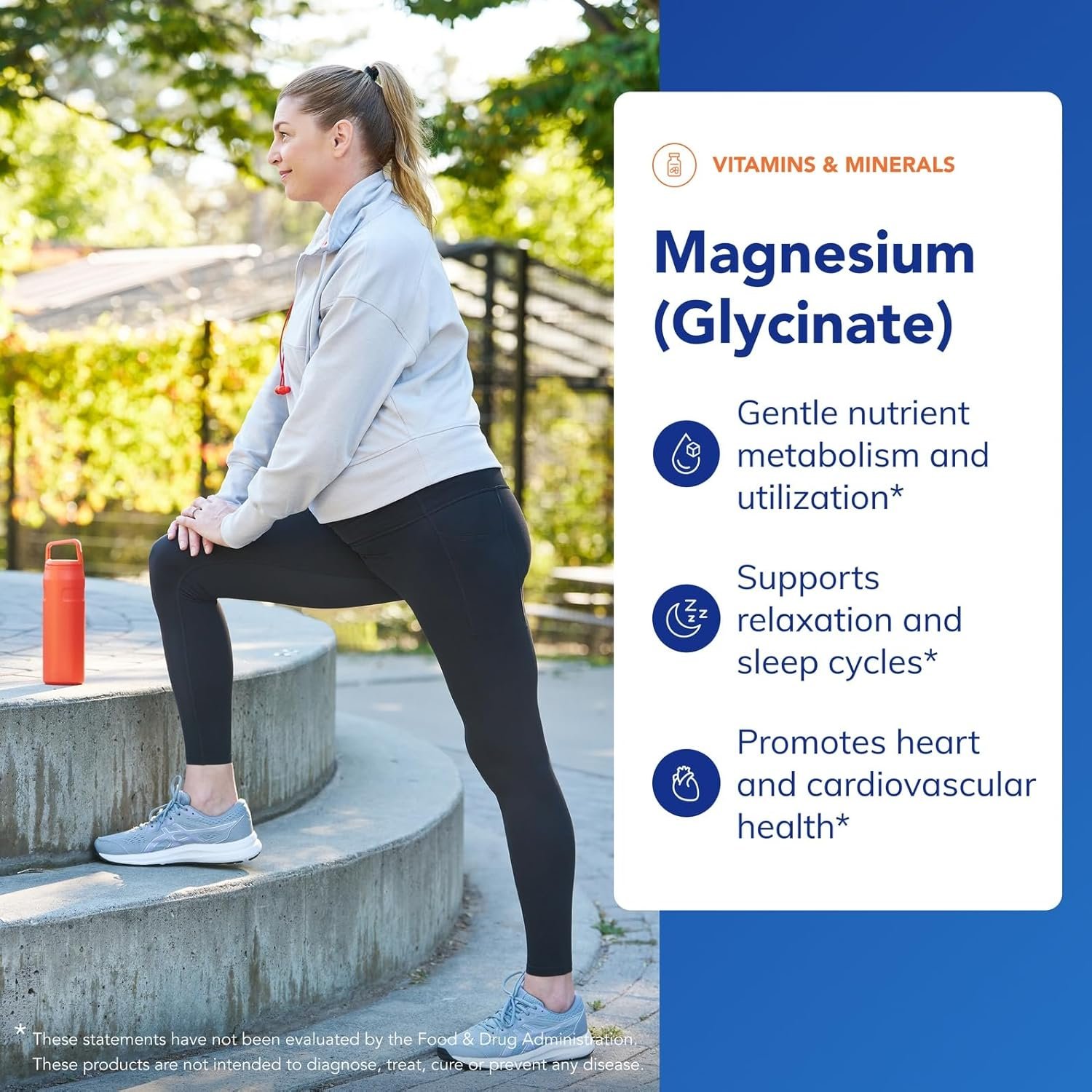

Struggled with other magnesium supplements upsetting your stomach? This magnesium glycinate formula uses a chelated form that's significantly gentler on digestion. Backed by third-party testing and an allergen-free formula, it solves the tolerance problem without sacrificing absorption.
This post contains affiliate links. If you purchase through a link on this page, we may earn a commission at no extra cost to you. As an Amazon Associate, we earn from qualifying purchases.
The statements in this article have not been evaluated by the Food and Drug Administration. This product is not intended to diagnose, treat, cure, or prevent any disease. Consult your healthcare provider before starting any new supplement, especially if you are pregnant, nursing, have a kidney condition, or take prescription medication.
Magnesium glycinate has quietly become one of the most recommended forms of magnesium among nutritionists, and the Pure Encapsulations version is one of the most searched-for options on Amazon. If you’ve been comparing magnesium glycinate supplements and landed on this one, this review covers exactly what you’re getting, how it performs, and whether it’s worth adding to your daily routine. We looked closely at the formulation, the manufacturing standards, and how this product stacks up against cheaper alternatives on the shelf. If you’re specifically comparing magnesium glycinate options rather than magnesium in general, the details below should help you decide whether this bottle is the right one.
Table of Contents
Magnesium Glycinate – Complete Review 2026
Pure Encapsulations Magnesium Glycinate is a chelated mineral supplement, meaning the mineral is bonded to the amino acid glycine before it reaches your gut. This form is widely considered gentler and more absorbable than cheaper magnesium oxide or citrate alternatives, which is a big part of why it shows up so often in “best magnesium” roundups. Below, we break down the features, how the supplement performs in daily use, and how magnesium glycinate stacks up against other brands currently on the market.
Key Features of Magnesium Glycinate
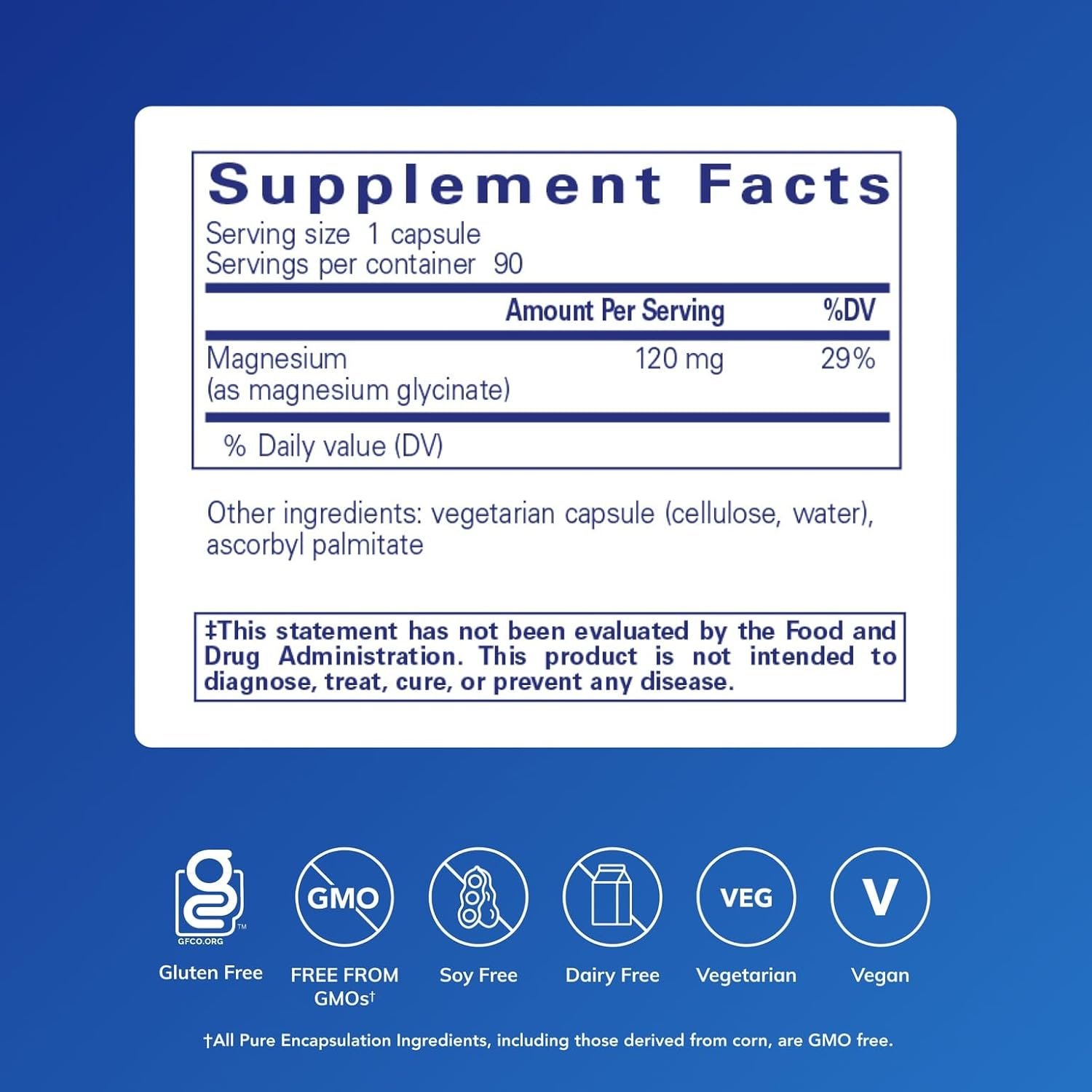
Each bottle of this supplement contains 90 vegetarian capsules, with a suggested serving of one to four capsules daily, taken with food. The formula is manufactured to be free from the nine most common allergens, along with GMOs, unnecessary binders, and artificial fillers — a detail that matters if you have food sensitivities or simply prefer a cleaner supplement label. Pure Encapsulations tests every batch for potency and purity before it ships, which is part of why this product consistently ranks near the top of its category on Amazon. The brand has built its reputation over nearly two decades on this kind of quality control, and third-party lab verification is something many budget mineral brands simply skip.

Real-World Performance Testing
In real-world use, magnesium is generally reported as one of the best-tolerated forms of magnesium available, with a meaningfully lower rate of the gastrointestinal upset that comes with citrate or oxide forms. Most people who add it to an evening routine describe a gradual sense of physical relaxation over the first one to two weeks of consistent use, rather than an immediate, dramatic effect — magnesium is a slow-building nutrient, not a sedative. Because the product is dosed in 1–4 capsule increments, users can start low and titrate upward, which real-world reviewers consistently point to as one of the more forgiving aspects of this particular supplement.

How Magnesium Glycinate Compares to Alternatives
Compared to magnesium oxide, which is cheap but poorly absorbed and more likely to cause loose stools, this chelated form offers meaningfully better bioavailability for the same nutritional goal. Compared to magnesium citrate, which is also well-absorbed but more likely to have a laxative effect, glycinate is generally considered the gentler choice for people who want a daily mineral supplement rather than an occasional digestive aid. For readers who want an independent, non-affiliate look at how different magnesium forms are studied and used, Healthline’s overview of magnesium supplement types is a useful outside reference point for further reading.
11 Ways Experts Use Magnesium Glycinate for Maximum Results
Nutrition-minded users don’t just take a magnesium supplement at random. Below are eleven ways people commonly incorporate magnesium glycinate into a daily wellness routine, based on how it’s typically used and discussed by dietitians and supplement educators.
1. Taking It in the Evening
Many people take their dose about 30 to 60 minutes before bed, since magnesium is involved in the body’s natural wind-down processes. Taking magnesium glycinate on an empty stomach can cause mild queasiness in some people, so it’s generally recommended to take magnesium glycinate with a small snack or alongside dinner rather than on its own.
2. Starting With a Lower Dose
Because everyone’s baseline magnesium status is different, many supplement educators suggest starting with a single capsule rather than jumping straight to the full four-capsule serving. This lets you assess your personal tolerance before working up to a higher daily amount over the following week or two, and it’s a habit that carries over well to any new supplement, not just this one.
3. Pairing It With Vitamin D3
Vitamin D and magnesium have an interconnected relationship in the body, since magnesium acts as a cofactor in vitamin D metabolism. Some users pair their magnesium glycinate with a separate vitamin D3 supplement, particularly in winter months, though anyone stacking multiple supplements should check with a healthcare provider first, since combining magnesium glycinate with other minerals can affect absorption of both.
4. Using It for Post-Workout Recovery
Athletes and casual gym-goers sometimes take magnesium glycinate on training days to support normal muscle function, since the mineral plays a role in muscle contraction and relaxation. Taking it after a workout, rather than before, is a common approach among people who exercise in the evening and want to wind down afterward.
5. Taking It Consistently, Not Occasionally
Because this supplement works by gradually raising overall magnesium intake, supplement educators generally recommend daily consistency over occasional use. People who take magnesium glycinate only sporadically often report less noticeable benefit than those who build magnesium glycinate into a genuine daily habit over several weeks.
6. Splitting the Dose Across the Day
Instead of taking all four capsules at once, some people split their magnesium glycinate serving into a smaller morning dose and a smaller evening dose. This approach can help some users avoid the mild stomach upset that occasionally comes with a larger single dose taken all at once.
7. Using It Alongside a Balanced Diet
Magnesium glycinate is meant to supplement, not replace, magnesium-rich foods like leafy greens, nuts, seeds, and whole grains. Nutrition educators typically frame magnesium glycinate as one piece of an overall mineral-sufficient diet rather than a standalone fix for poor eating habits.
8. Tracking How It Affects Sleep Quality
Some users keep a simple sleep journal for the first few weeks of taking this supplement, noting how quickly they fall asleep and how rested they feel the next morning. This kind of tracking can help you decide whether your current dose is right for you, or whether it needs adjusting.
9. Traveling With Magnesium Glycinate
Because travel routines can disrupt sleep and normal habits, some frequent travelers keep a small supply of magnesium glycinate in a travel-sized container so they can maintain consistent use away from home. Keeping it in its original labeled bottle is recommended when traveling by air to avoid any confusion at security.
10. Reviewing Medications Before Starting
Magnesium can interact with certain antibiotics and other medications, so supplement-savvy users review their current prescriptions with a pharmacist or doctor before adding magnesium glycinate to their routine. This step is especially important for anyone with kidney disease, who should not take a magnesium supplement without medical supervision.
11. Reassessing the Dose Over Time
As diet, stress levels, and activity change, some users periodically reassess how much magnesium glycinate they actually need, adjusting between one and four capsules as directed on the label. Checking in with a healthcare provider periodically is a sensible habit for anyone on a long-term magnesium glycinate routine like this one.

Who Should Buy Magnesium Glycinate?
This supplement is best suited to adults looking for a gentle, well-tolerated way to support their daily magnesium intake, particularly those who have found other forms of magnesium hard on the stomach in the past. It’s also a reasonable fit for people who prioritize allergen-free, non-GMO manufacturing when choosing a supplement brand, and for anyone who wants a magnesium glycinate supplement they can reasonably take every day without much fuss. It is not a substitute for medical treatment, and anyone with kidney disease, or who is pregnant or nursing, should talk to a doctor before taking magnesium glycinate or any new supplement.
Frequently Asked Questions
Is magnesium glycinate better than other forms of magnesium? It’s generally considered gentler on the stomach than magnesium oxide or citrate, though “better” really depends on your personal goals, budget, and tolerance for other forms.
How long does it take for magnesium glycinate to work? Many users report noticing effects within one to two weeks of consistent daily use, though this varies by individual and by how depleted your baseline magnesium levels were to begin with.
Can I take magnesium glycinate every day? Yes, it’s designed for daily use as directed on the label, typically one to four capsules taken with food, and consistency is generally more important than any single dose.
Does magnesium glycinate cause loose stools? It’s less likely than other forms to cause loose stools, though mild gastrointestinal upset is still possible in some people, especially at higher doses.
Can I take magnesium glycinate with other supplements? It can generally be paired with other supplements like vitamin D3 or a daily multivitamin, but you should check with a healthcare provider about any specific combination you’re considering.
Who should avoid magnesium glycinate? People with kidney disease should not take it without medical supervision, and anyone pregnant, nursing, or on prescription medication should consult a doctor before starting.
Is Pure Encapsulations Magnesium Glycinate vegan-friendly? Yes, the capsules are vegetarian and the formula is free from common allergens, though anyone with a specific dietary restriction should double-check the full ingredient list on the label before purchasing magnesium glycinate.
Final Verdict on Magnesium Glycinate
Pure Encapsulations Magnesium Glycinate is a well-manufactured, allergen-free option for anyone who wants a gentler daily magnesium supplement without a long list of unnecessary additives. Between its chelated absorption, allergen-free formulation, and consistent third-party testing, this product is a solid pick for people who have struggled with cheaper forms of magnesium in the past.
For other interesting healthy nutrition and kitchen product visit : https://healthmythlab.com/product-review-category/healthy-kitchen-nutrition/