
Want proven strength and recovery support without paying for flashy branding? This creatine monohydrate delivers 100 servings of the single most-researched form of creatine, backed by decades of published sports nutrition research.
This post contains affiliate links. If you purchase through a link on this page, we may earn a commission at no extra cost to you. As an Amazon Associate, we earn from qualifying purchases.
The statements in this article have not been evaluated by the Food and Drug Administration. This product is not intended to diagnose, treat, cure, or prevent any disease. Consult your healthcare provider before starting any new supplement, especially if you have kidney disease, are pregnant or nursing, or are under 18.
Creatine monohydrate is one of the most researched supplements in existence, which makes it a rare case in the supplement world: instead of guessing whether the marketing claims hold up, we can actually grade them against decades of published research. This review does exactly that for Nutricost’s unflavored creatine monohydrate powder, one of the best-selling creatine products on Amazon.
Rather than the usual pros-and-cons breakdown, this review treats each common creatine claim like a hypothesis and checks it against the actual research literature, grading it Strong, Moderate, Limited, or Contradicted based on what the evidence shows.
Table of Contents
What Is This Creatine Monohydrate Product?
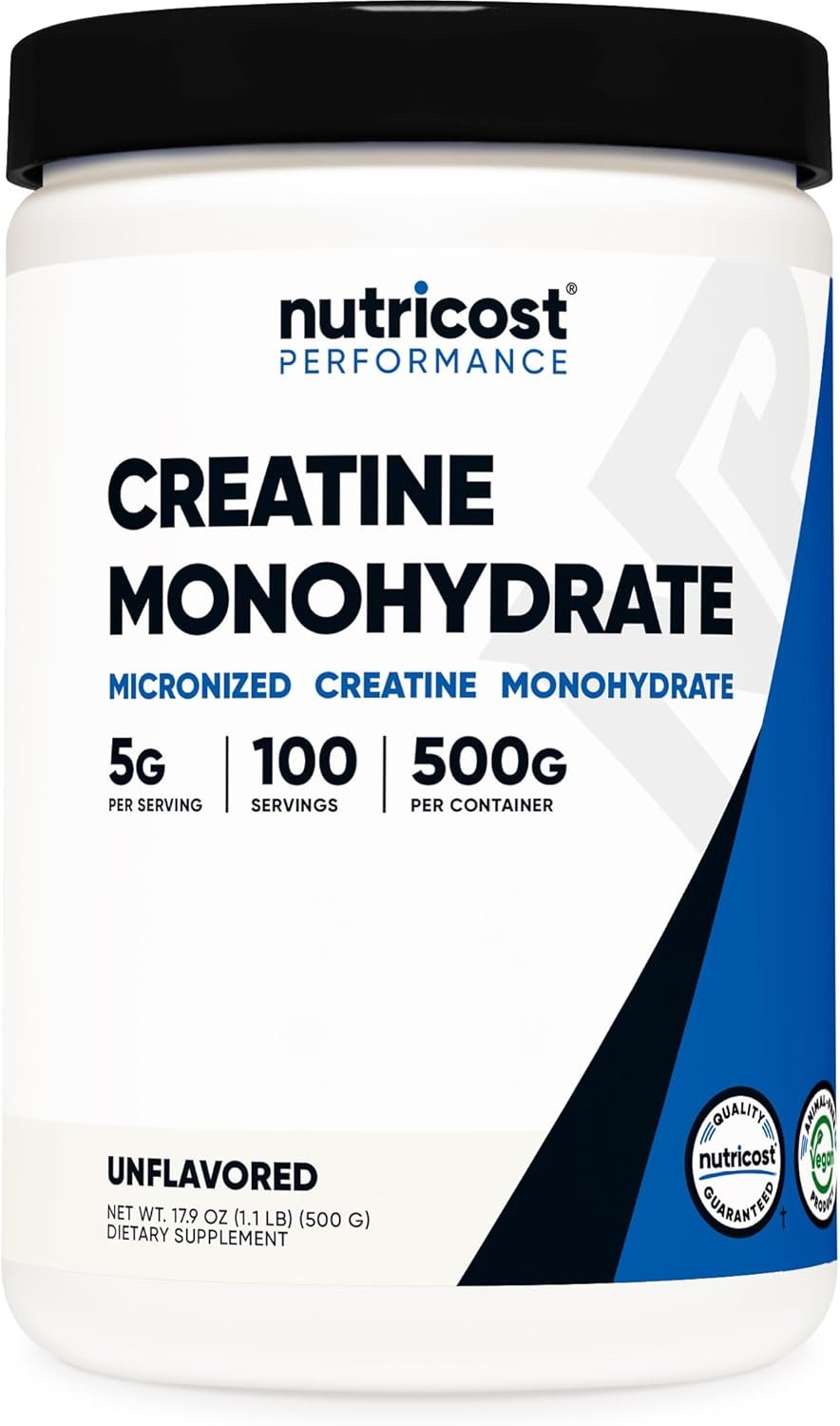
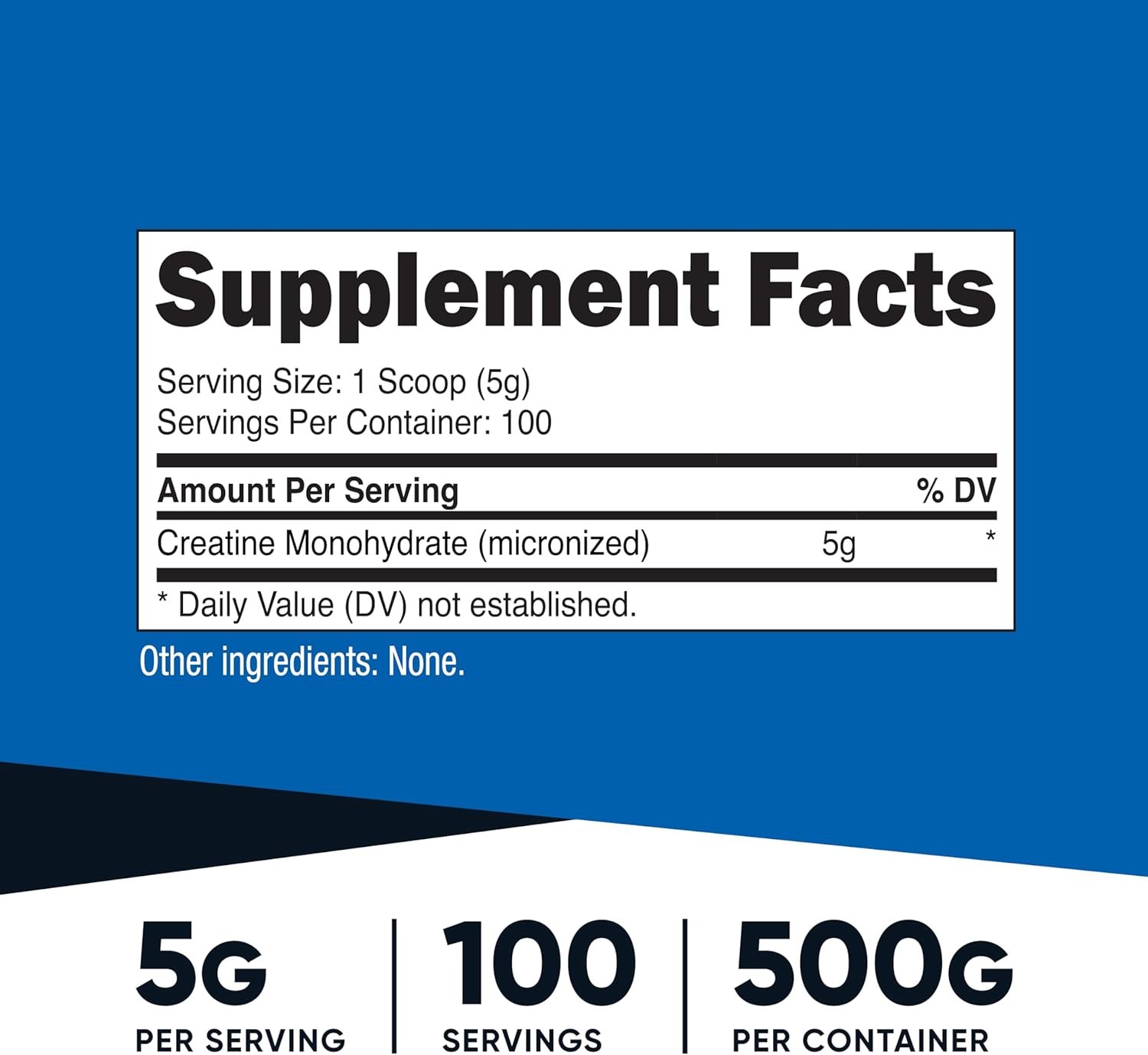
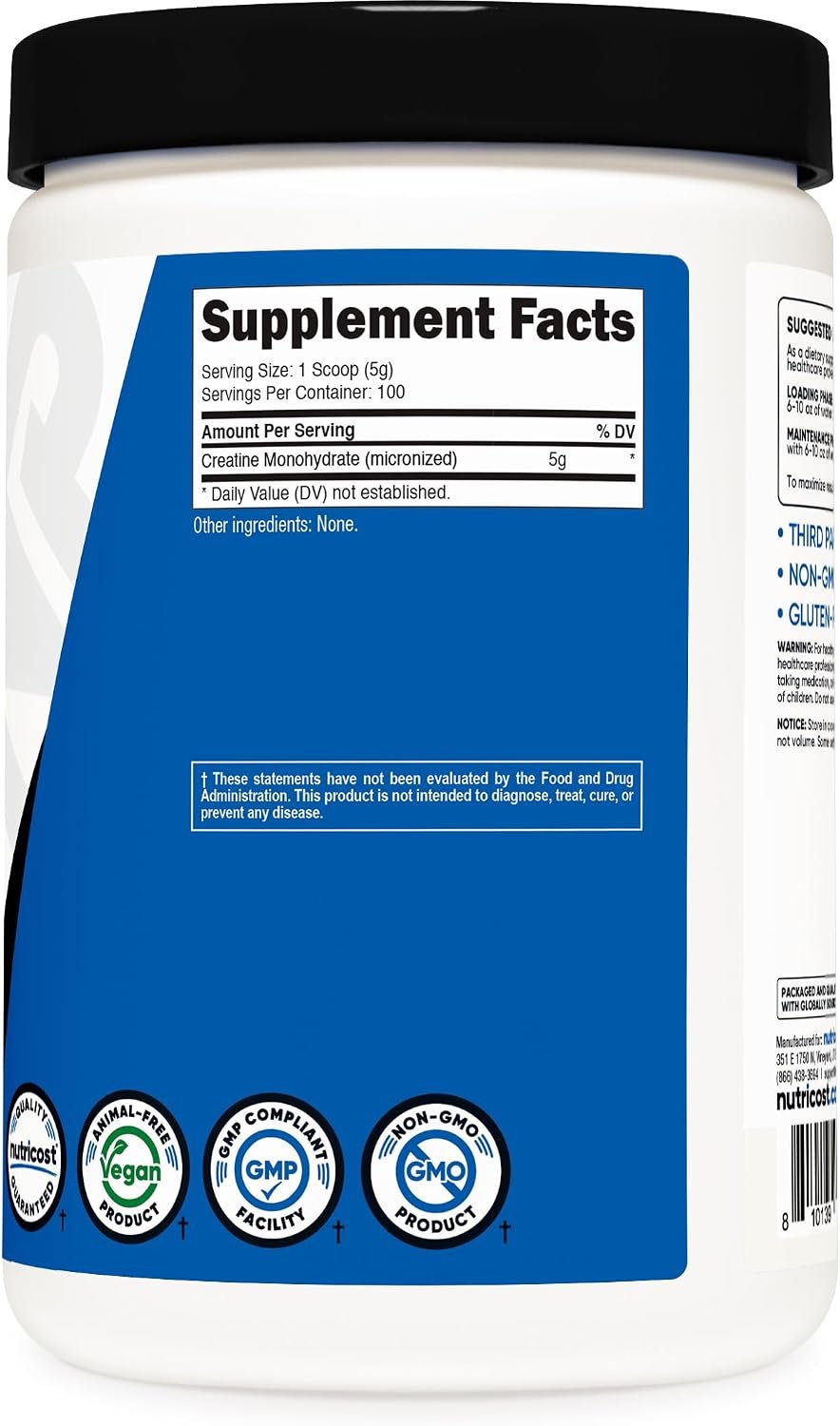
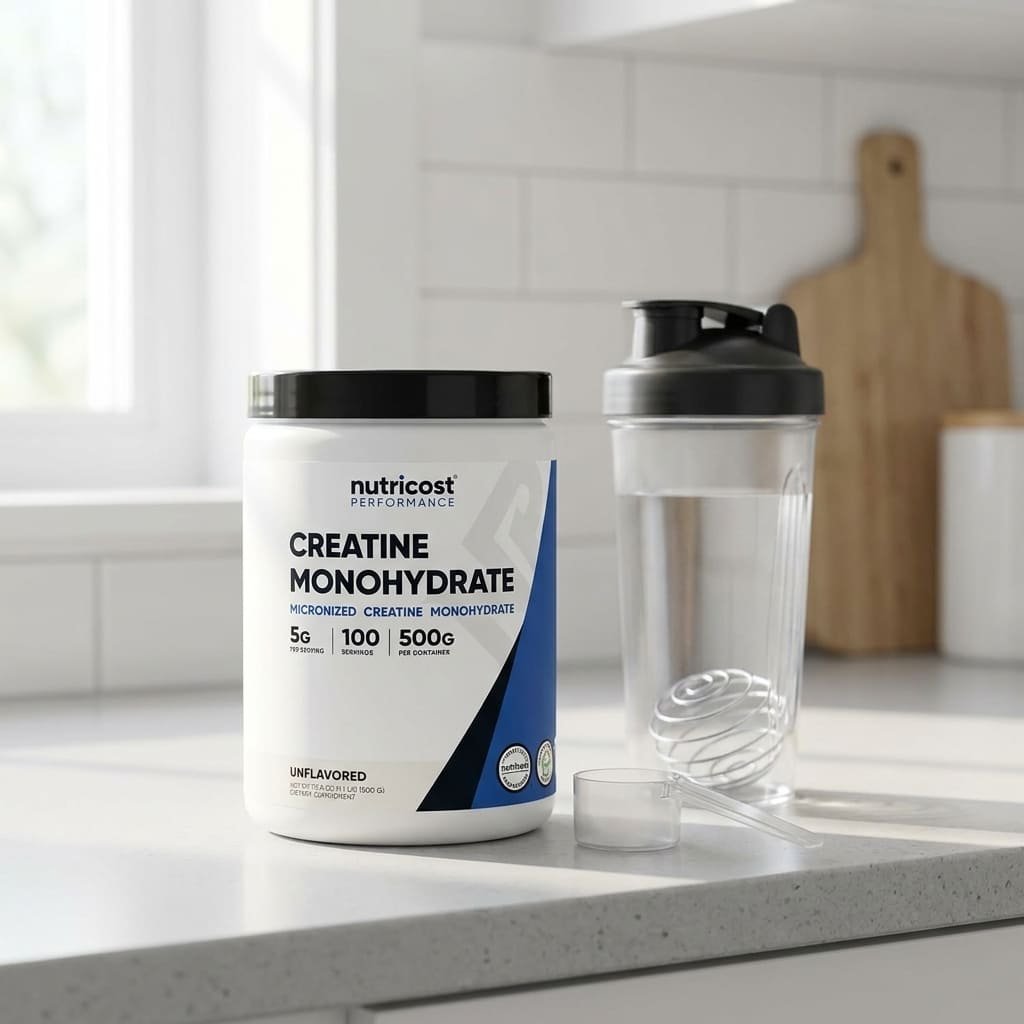
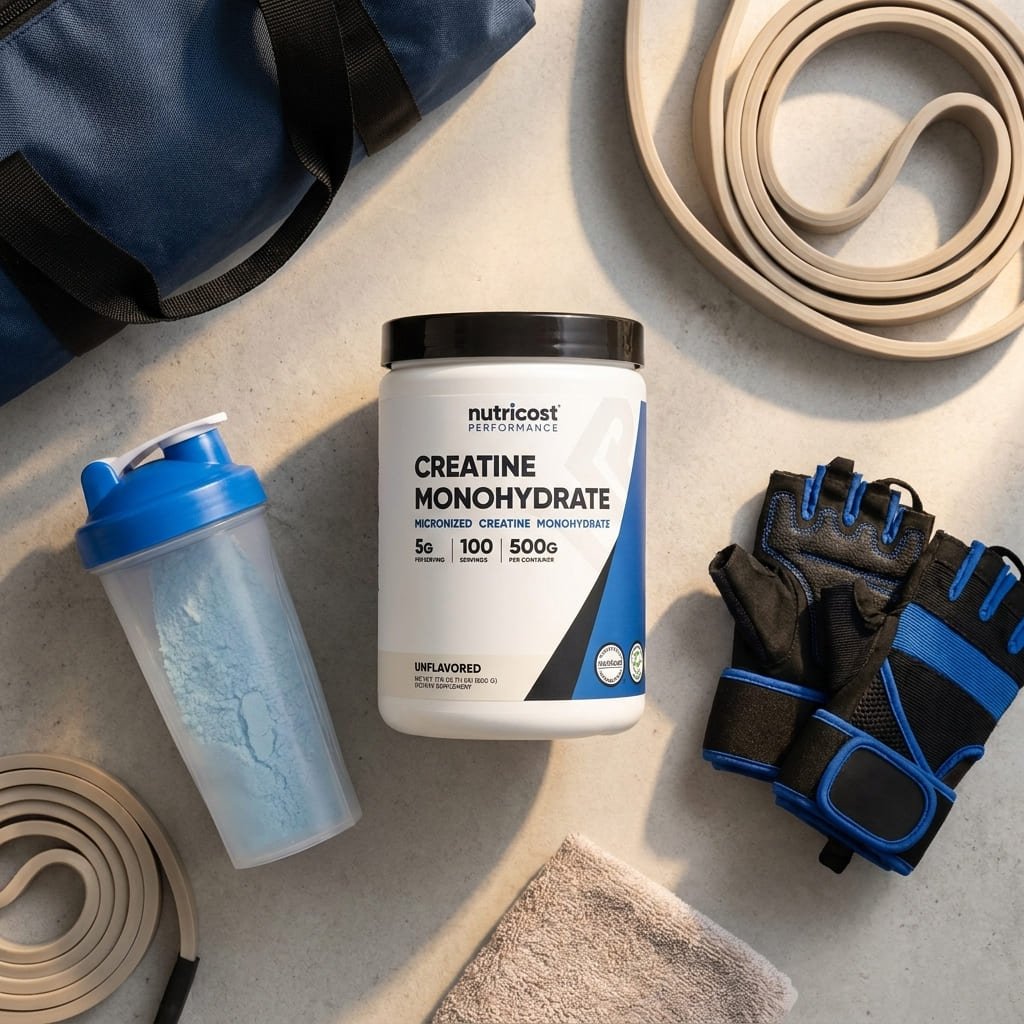
This is a 500-gram tub of unflavored, micronized creatine monohydrate powder, providing 100 servings of creatine monohydrate at 5 grams (one scoop) each. It’s manufactured by Nutricost in an NSF-certified, GMP-compliant facility, and it’s rated 4.6 stars across tens of thousands of Amazon reviews, making it one of the most purchased creatine monohydrate products in its category.
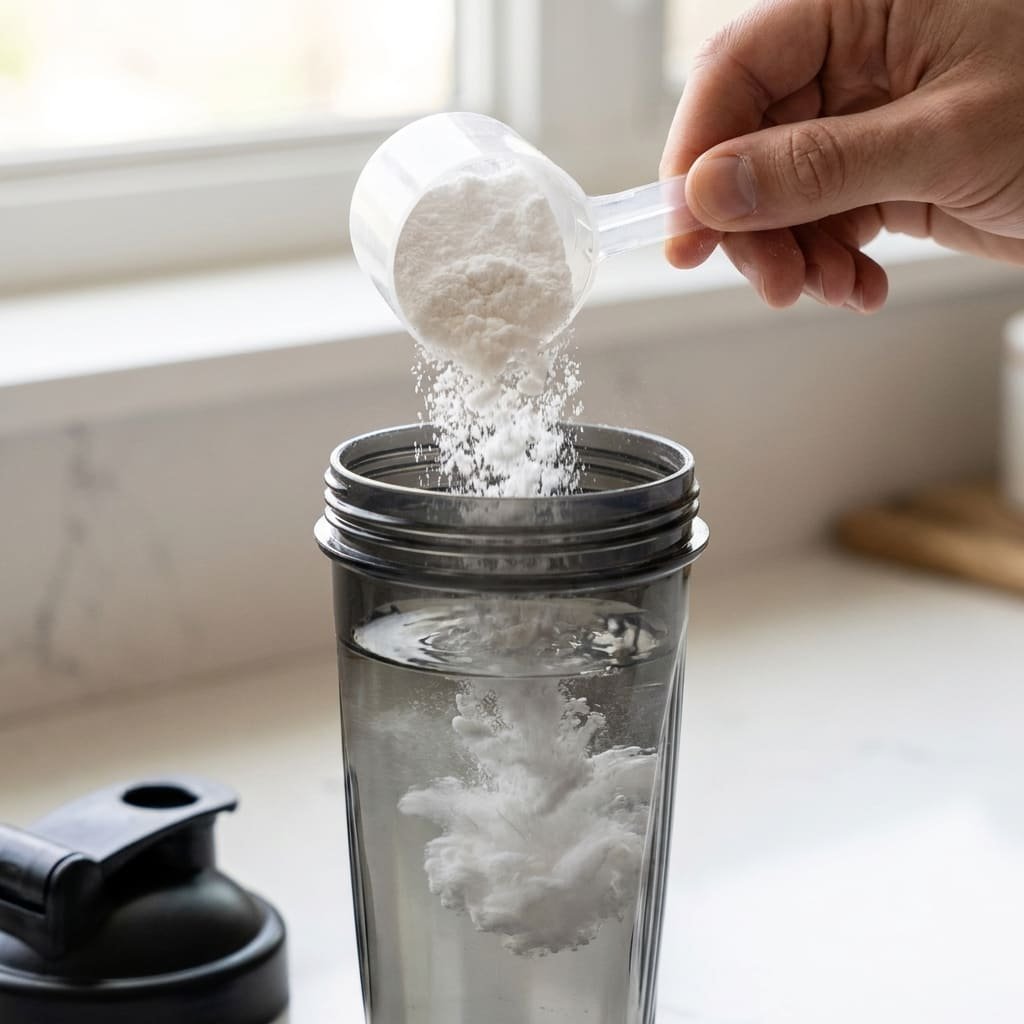
Micronized simply means the creatine particles have been processed into a finer powder, which helps it mix into water more easily than standard-grind creatine monohydrate. It doesn’t change what the creatine does in the body — it just affects how well it dissolves in your shaker bottle, which matters more for user experience than for the underlying effectiveness of the creatine monohydrate itself.
Key Specs for This Creatine Monohydrate at a Glance
- Form: Creatine Monohydrate (Micronized)
- Size: 500g, 100 Servings
- Serving Size: 5g (1 Scoop)
- Flavor: Unflavored
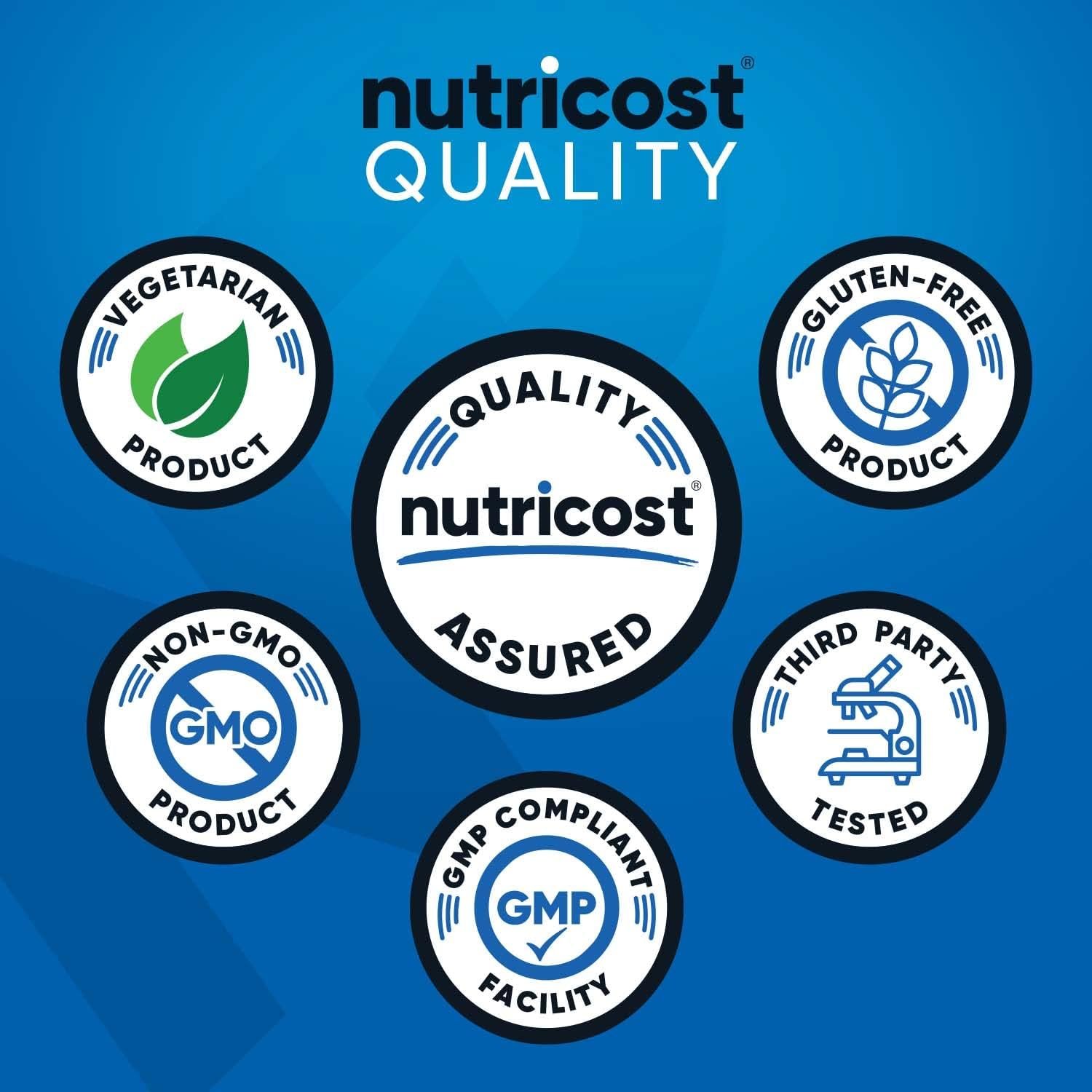
- Manufacturing: NSF Certified, GMP Compliant Facility
Grading the Claims: What the Research Actually Says
Creatine monohydrate specifically — not the citrate, HCl, buffered, or “ethyl ester” versions marketed as upgrades — is the most extensively studied form, according to the International Society of Sports Nutrition’s position stand. No alternative form has been shown to outperform it. That matters directly for this product, since Nutricost’s formula is plain creatine monohydrate rather than a proprietary blend, which means it’s the form with the deepest evidence base behind it rather than a marketing-driven variant.
Here’s how six of the most common creatine claims hold up against that research base.
Claim: “Improves Strength and Power” — Evidence Grade: Strong
This is the best-supported claim in the entire category. The ISSN position stand describes creatine monohydrate as the most effective nutritional ergogenic aid currently available for increasing high-intensity exercise capacity and lean body mass during training. After a loading phase, high-intensity and repetitive exercise performance generally improves by 10 to 20 percent, a magnitude of effect that’s genuinely large for a single, inexpensive supplement.
This effect has been replicated across adolescents, younger adults, and older individuals, and across a wide range of sports — football, soccer, swimming, and general resistance training among them.
Claim: “Speeds Up Recovery” — Evidence Grade: Strong
Multiple controlled studies of creatine monohydrate cited in the position stand found that creatine supplementation reduced markers of muscle damage and inflammation after intense exercise. In one study, participants supplementing with creatine had significantly better strength recovery after exercise-induced muscle damage, along with markedly lower blood markers of muscle breakdown during the following week.
A separate study on marathon runners found creatine loading before a 30km race reduced markers of inflammation and muscle damage compared to a control group, suggesting the recovery benefit extends beyond strength training into endurance contexts as well.
Claim: “Causes Dehydration and Cramping” — Evidence Grade: Contradicted
This is one of the most persistent myths about creatine monohydrate, and the research actually points the opposite direction. Multiple studies of collegiate athletes found that creatine users experienced less cramping, heat illness, and muscle strain than non-users during a full training season, not more. Separate research found creatine supplementation improved thermoregulation and hydration status during exercise in the heat rather than impairing it.
Researchers have specifically described this myth as unsubstantiated in the peer-reviewed literature, noting that no controlled study has found creatine supplementation increases the reported incidence of cramping, dehydration, or heat illness compared to not taking it.
Claim: “Damages the Kidneys” — Evidence Grade: Unsupported in Healthy Adults
Long-term studies — including athletes taking 5 to 10 grams of creatine monohydrate daily for up to 21 months, and clinical populations taking much higher doses for years — have found no evidence of impaired kidney function in people without pre-existing kidney disease. The ISSN position stand notes that supplementation up to 30 grams a day for five years has been well-tolerated across populations ranging from infants to the elderly.
This does not apply to people who already have kidney disease, who should not take creatine monohydrate without medical guidance, since altered kidney function changes how the body clears any supplement, creatine included.
Claim: “Helps With Injury Rehabilitation” — Evidence Grade: Moderate, Mixed
Here the evidence gets more nuanced. Some studies found creatine monohydrate supplementation reduced muscle atrophy and improved strength recovery during rehabilitation after limb immobilization. Other trials — including a study specifically on ACL reconstruction recovery — found no significant benefit over a placebo. The honest summary is that creatine may help in some rehabilitation contexts, but it’s not a guaranteed or universal effect, and results seem to depend heavily on the specific injury and rehabilitation protocol involved.
Claim: “Boosts Brain Function” — Evidence Grade: Limited (in Healthy Adults)
This is where marketing tends to outrun the science. Most of the research on creatine and brain protection comes from animal studies on traumatic brain injury and stroke, or from clinical trials in specific neurological diseases — and the results there are mixed. Large trials in Parkinson’s disease and ALS patients found no meaningful clinical benefit, though there was some evidence of slowed brain atrophy in Huntington’s disease patients, even though clinical symptom markers were largely unaffected.
For a healthy adult without a neurological condition, “boosts brain function” is not a claim the current evidence strongly supports, at least not to the degree the strength and recovery claims are supported. That could change as more research targets healthy populations specifically, but it isn’t where the evidence stands today.
How to Use This Creatine Monohydrate
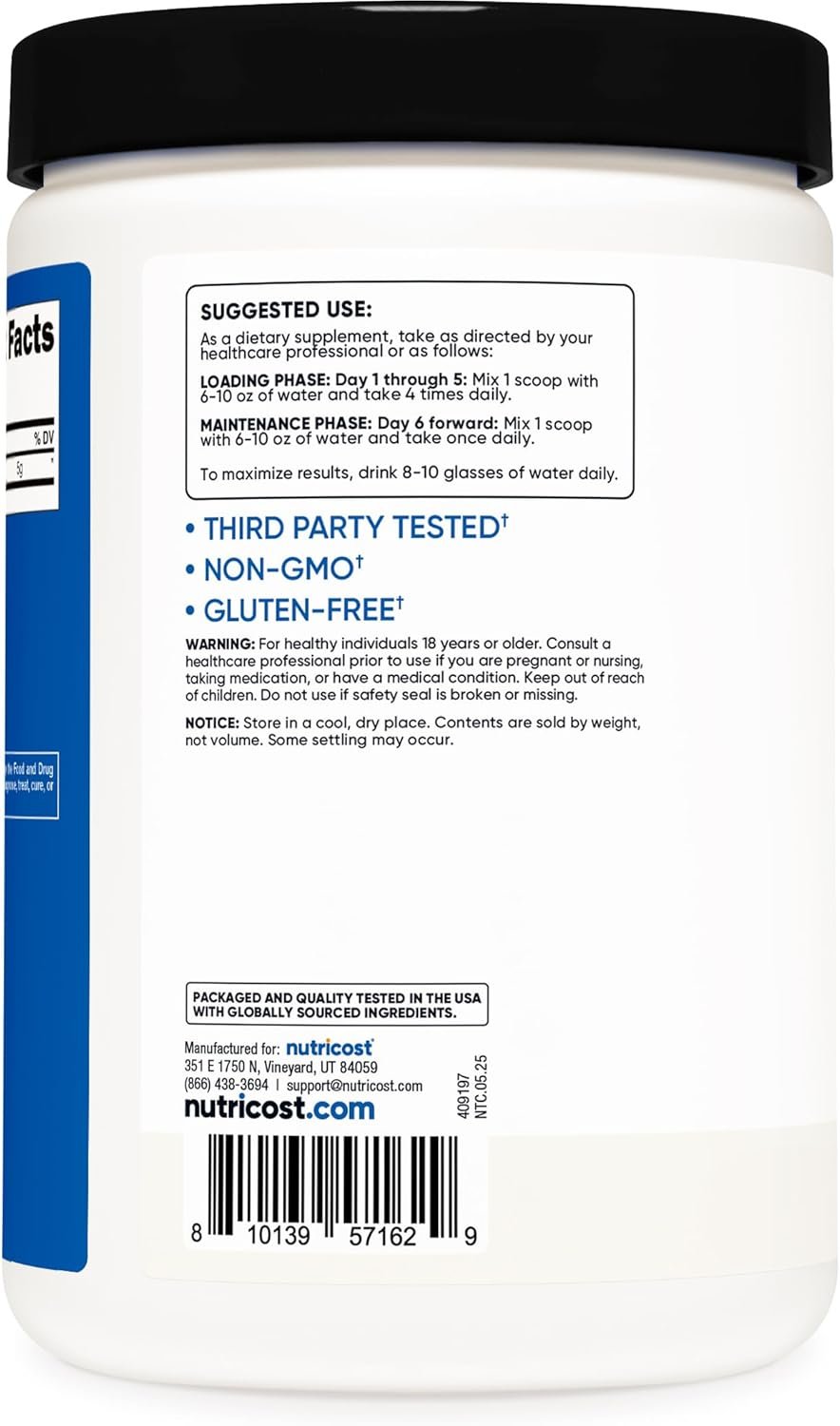
The label directions follow the standard, research-backed protocol closely. During days 1 through 5, the loading phase calls for one scoop (5g) of creatine monohydrate mixed with 6 to 10 oz of water, taken four times daily. From day 6 onward, the maintenance phase drops to one scoop once daily. Drinking 8 to 10 glasses of water a day while supplementing is also recommended on the label.
This matches what the ISSN position stand describes as the most effective way to saturate muscle creatine stores quickly: 5g four times daily for 5 to 7 days, followed by a 3 to 5g daily maintenance dose. An alternative, slower approach — skipping the loading phase and taking 3 to 5g of creatine monohydrate daily from day one — reaches the same saturation point, just more gradually over several weeks, typically around 28 days rather than one.
What to Look for in a Creatine Monohydrate Supplement
If you’re comparing this creatine monohydrate against other options, a few things are worth checking:
- Monohydrate, not a “novel” form — creatine monohydrate remains the most-studied and most cost-effective option; alternative forms of creatine monohydrate haven’t been shown to outperform it.
- Third-party or facility certification — NSF certification or GMP compliance is a reasonable baseline quality signal for a creatine monohydrate powder.
- No unnecessary additives — an unflavored, single-ingredient creatine monohydrate product avoids sweeteners, dyes, or fillers some people prefer to skip.
- Serving size clarity — confirm the product delivers a full 5g of creatine monohydrate per serving, the dose most studied for the effects described above.
- Realistic label claims — be skeptical of any creatine monohydrate product claiming dramatic brain, anti-aging, or disease-specific benefits without strong evidence behind them.
Who Should (and Shouldn’t) Take This
This creatine monohydrate is a reasonable fit for healthy adults engaged in resistance training or high-intensity exercise who want a well-supported, low-cost way to support strength and recovery. Vegetarians in particular may notice a more pronounced effect from this creatine monohydrate, since diets without meat tend to start with lower baseline creatine stores.
This creatine monohydrate is not appropriate for anyone with existing kidney disease without medical supervision, and anyone pregnant, nursing, or under 18 should consult a healthcare provider before use, per the product’s own label guidance. If you’re specifically buying this creatine monohydrate hoping for dramatic cognitive or brain-health benefits, the current evidence doesn’t support that expectation for healthy adults. If a different supplement category is more your focus, our Healthy Kitchen & Nutrition reviews cover other options worth comparing.
How We Evaluated This Product
This review of the creatine monohydrate is based on the manufacturer’s published label directions and product specifications, cross-referenced against the International Society of Sports Nutrition’s peer-reviewed position stand on creatine safety and efficacy, along with the broader body of research it summarizes on creatine monohydrate specifically.
Frequently Asked Questions
Is Nutricost’s creatine monohydrate as effective as more expensive brands? Since creatine monohydrate is a well-defined compound, plain, unflavored creatine monohydrate from a certified manufacturer is generally comparable in effectiveness to pricier branded versions of the same form, since the research doesn’t show meaningful differences between manufacturers for the identical compound.
Do I need to do a loading phase? No — skipping the loading phase and taking 3 to 5g of creatine monohydrate daily from the start reaches the same saturated muscle creatine levels, just over a few weeks instead of about a week.
Will creatine cause weight gain? Some early water retention (roughly 0.5 to 1 liter) is common during loading, which shows up as a small increase on the scale rather than fat gain, and this effect typically stabilizes once the maintenance phase begins.
Is creatine safe for long-term daily use? Research cited by the ISSN position stand supports safety at doses up to 30g/day for up to five years in healthy individuals, though most people take far less than that for general strength and recovery support.
Can women take this creatine monohydrate? Yes, the research base includes both men and women, though some studies suggest women may see somewhat smaller strength and muscle gains from training in combination with creatine than men do, on average.
Does creatine actually cause bloating? Some people experience mild water retention or GI discomfort during the loading phase specifically; splitting doses or skipping loading in favor of the slower daily-dose approach can reduce this for sensitive individuals.
Can I take this creatine monohydrate if I’m vegetarian or vegan? Yes, and vegetarians in particular may notice a more pronounced effect from supplementation, since plant-based diets typically provide less dietary creatine than diets that include meat and fish.
Final Verdict on This Creatine Monohydrate
Judged against the actual research rather than typical supplement marketing, this Nutricost creatine monohydrate holds up well on the claims with the strongest evidence — strength, power, and recovery — and the label directions track closely with what the research considers the most effective dosing protocol. The myth that creatine causes dehydration or cramping is directly contradicted by the data, and kidney-damage concerns aren’t supported in healthy adults.
Where the marketing around creatine monohydrate in general tends to overreach is brain function and disease-specific therapeutic claims, and this is worth going in with realistic expectations about. As a straightforward, well-studied option for strength and recovery, this product delivers on what the science actually supports — no more, no less.
Six creatine monohydrate claims graded, and the pattern is fairly clear: the more directly a claim relates to muscle strength, power, and exercise recovery, the stronger the evidence behind it. The further a claim drifts toward brain function or disease treatment in otherwise healthy people, the thinner the support gets — which is a useful filter to apply to just about any creatine monohydrate product on the market, not just this one.
This article reflects publicly available research and product information and is not medical advice. Consult a healthcare provider before starting creatine or any new supplement, especially if you have kidney disease, are pregnant or nursing, or are under 18.