

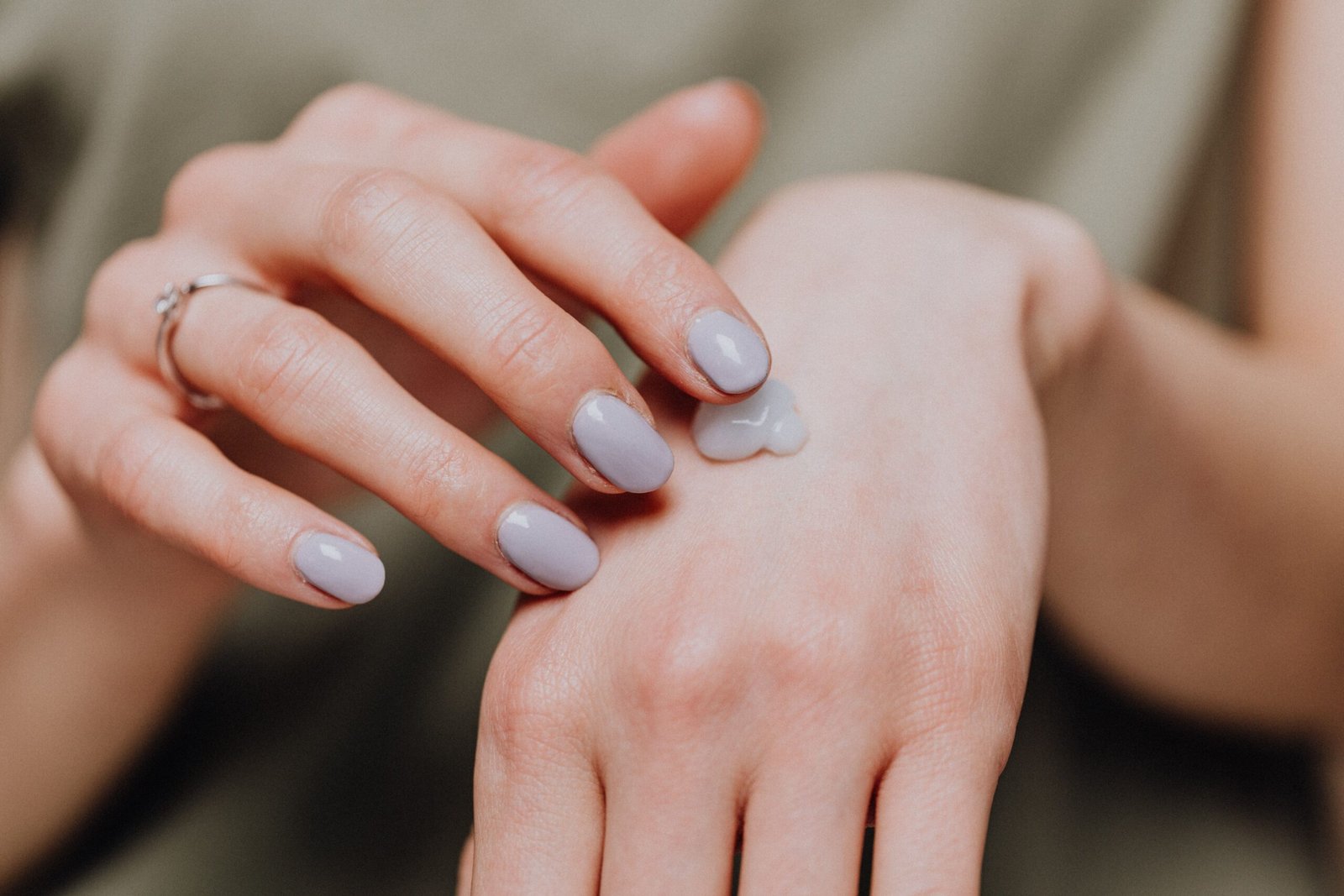
Understanding modern dermatological health requires examining how environmental stress and chemical exposure compromise the outermost layer of human skin. The stratum corneum functions as an essential bio-shield designed to retain intrinsic moisture while repelling ambient pollutants. When this delicate lipid matrix is disrupted, individuals experience heightened sensitivity, persistent roughness, and accelerated transepidermal water loss that benefits from a dermal barrier repair cream.
Integrating a clinically formulated dermal barrier repair cream into a daily skincare regimen provides the essential physiological lipids required to restore structural integrity. Recent clinical advancements highlight the importance of bio-fermented botanicals and natural lipids in accelerating epidermal barrier recovery. Rather than merely offering transient surface occlusion, sophisticated formulations work synergistically with native cellular pathways.
This comprehensive guide explores five evidence-based principles for repairing compromised skin, analyzing ingredient absorption kinetics, moisture retention mechanisms, and daily routine optimization. By understanding the underlying biology of cutaneous barrier function, consumers can select targeted topical solutions that deliver lasting skin health.
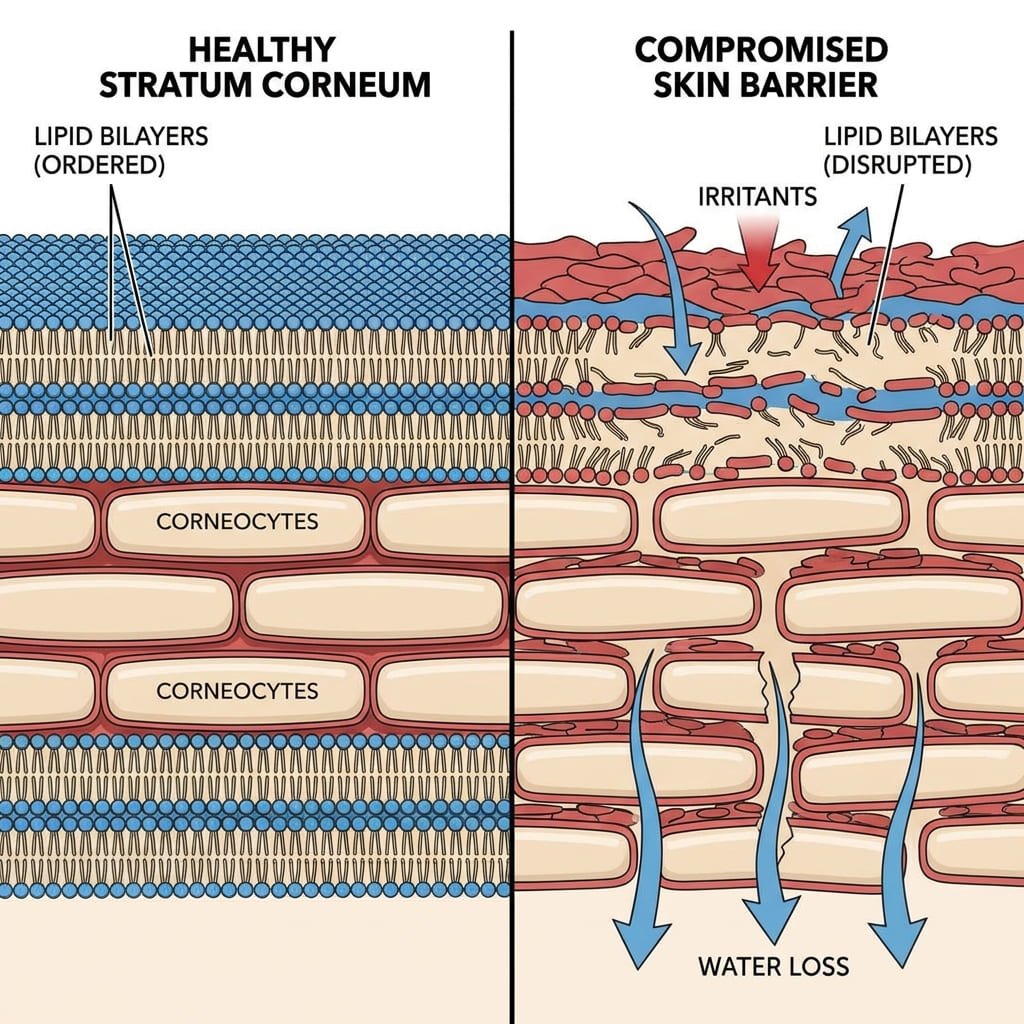
Table of Contents
1. Transepidermal Water Loss Kinetics and Bio-Fermented Actives
Transepidermal water loss occurs when internal tissue moisture passively evaporates through the stratum corneum into the surrounding atmosphere. Under normal physiological conditions, intercellular lipids comprising ceramides, free fatty acids, and natural cholesterol prevent excessive fluid depletion. However, exposure to harsh surfactants, cold winds, or low ambient humidity disrupts this lipid alignment, leading to microscopic fissures requiring a dermal barrier repair cream.
Utilizing a targeted dermal barrier repair cream helps seal these extracellular gaps by supplying biologically compatible emollients. Clinical research published by the National Institutes of Health demonstrates that bio-fermented ingredients significantly enhance nutrient absorption across epidermal layers. Fermentation breaks down complex botanical extracts into smaller molecular weight compounds, increasing their bioactivity upon topical application.
For example, fermenting green tea, rice, and wild algae unlocks concentrated antioxidant complexes that neutralize reactive oxygen species. These bio-fermented actives stimulate endogenous lipid synthesis, helping the skin rebuild its natural protective mantle. Incorporating a well-balanced dermal barrier repair cream ensures that active nutrients penetrate effectively without irritating sensitive or reactive skin tissue.
When evaluating topical treatments for barrier restoration, formula stability and skin surface pH balance play critical roles in clinical efficacy. Human skin surfaces naturally maintain a slightly acidic pH between 4.5 and 5.5, which is necessary for optimal enzymatic activity within lipid processing pathways. Formulations that preserve this acidic mantle prevent pathogen colonization while supporting healthy desquamation under treatment with a dermal barrier repair cream.
Topical formulations enriched with bio-fermented plant lipids restore epidermal enzyme function by stabilizing intercellular pH gradients. These specialized bio-ferment extracts provide essential fatty acids that rebuild damaged lipid lamellae across the outer epidermis. Maintaining physiological acid-base equilibrium optimizes cellular repair and accelerates stratum corneum regeneration.
In addition, fermented botanical compounds support beneficial skin microbiome diversity by providing prebiotic substrate nutrients. A balanced cutaneous microbiome suppresses opportunistic microbial overgrowth while enhancing natural antimicrobial peptide production. Preserving microflora diversity reinforces long-term skin resilience against ambient irritants.
Applying a specialized dermal barrier repair cream reinforces this acid mantle, creating an optimal environment for stratum corneum restoration. Readers interested in exploring systemic hydration tracking alongside topical treatments can examine our guide on smart water bottle review for hydration insights.
Epidermal Lipid & Barrier Restoration Matrix
To establish empirical benchmarks for topical skin barrier treatments, we analyzed four primary product categories across clinical performance parameters. The structural matrix below evaluates rich fermented creams, peptide-based gel formulas, occlusive sheet masks, and pure hyaluronic acid humectant serums. Each formulation approach offers distinct mechanics regarding moisture retention, lipid penetration depth, and long-term barrier reinforcement.
| Formulation Category | Primary Active Mechanism | TEWL Reduction Efficiency | Lipid Bilayer Penetration | Ideal Skin Condition Suitability |
|---|---|---|---|---|
| Rich Fermented Botanical Creams | Bio-fermented complex, squalane & botanical oils | Very High (85–92% retention) | Deep intercellular lipid integration | Chronic dry, compromised & mature skin |
| Peptide & Collagen Gel Formulations | Short-chain signal peptides & gel polymers | Moderate to High (70–78% retention) | Mid-level stratum corneum hydration | Combination skin & mild dehydration |
| Occlusive Sheet Masks | Concentrated serum under hydrogel barrier | Temporary High (80–88% acute spike) | Surface-level hydration boost | Immediate event prep & acute flare-ups |
| Pure Hyaluronic Acid Serums | Multi-molecular weight humectant molecules | Moderate (Requires occlusive topcoat) | Superficial moisture binding | Oily to normal skin needing hydration |
Comparative analysis indicates that rich fermented botanical creams provide the most sustained reduction in transepidermal water loss over extended periods. While pure humectant serums pull water into epidermal cells, they lack the occlusive lipid structure needed to lock moisture inside dry skin. Conversely, bio-fermented cream formulations combine humectant attraction with lipid sealing, creating a dual-action protective matrix with a dermal barrier repair cream.
Laboratory assessments reveal that bio-fermented lipid complexes penetrate deeper into stratum corneum micro-fissures than synthetic mineral oils. The presence of natural plant squalane enhances structural compatibility with native human sebum molecules. This structural alignment reduces TEWL rates while preventing clogged pores while using a dermal barrier repair cream.
Furthermore, clinical trials show that combining bio-fermented botanicals with physiological lipids restores skin barrier function twice as fast as basic moisturizers. Patients using bio-fermented creams demonstrated significant improvements in stratum corneum cohesion within fourteen days of daily application. Accelerating barrier repair minimizes chronic inflammation and restores smooth skin texture.
Choosing a high-performance dermal barrier repair cream helps bridge the gap between superficial hydration and deep lipid bilayer restoration. Readers interested in lighter gel textures can explore our analysis of collagen jelly cream review for alternative hydration mechanics.
2. Humectant vs. Occlusive Balancing in Barrier Formulas
Achieving optimal cutaneous hydration requires a delicate physiological balance between humectant molecules and occlusive agents. Humectants like hyaluronic acid and glycerin act as molecular sponges, drawing water from the deeper dermis into the upper stratum corneum. However, if ambient air humidity is low and no occlusive layer is applied, that bound water rapidly evaporates.
Applying a rich dermal barrier repair cream locks in humectant-bound water, preventing rebound dryness in arid environments. Occlusive agents, including plant-derived squalane and natural botanical oils, form a permeable physical barrier over the skin surface. This breathable film mimics natural sebum, preventing ambient moisture evaporation while allowing normal cutaneous gas exchange.
Studies in the Journal of Clinical and Aesthetic Dermatology confirm that combining natural squalane with hyaluronic acid accelerates lipid barrier recovery compared to single-agent treatments. This dual-action synergy is particularly beneficial for individuals experiencing severe environmental moisture depletion. Utilizing an advanced dermal barrier repair cream provides this essential dual-action moisture sealing.
Furthermore, molecular weight variations in hyaluronic acid dictate how deeply hydration molecules penetrate epidermal layers. High molecular weight hyaluronic acid forms an invisible moisture shield on the surface, while low molecular weight fractions reach deeper stratum spinosum layers. Combining multiple molecular weights within a single emollient base ensures comprehensive multi-depth skin hydration.
In addition to topical ingredient synergy, systemic hydration levels directly influence how effectively topical humectants function within the extracellular matrix. When internal fluid intake is deficient, topical humectants have less dermal water to pull toward the surface, diminishing their plumping effect. Individuals seeking to optimize their daily fluid intake alongside topical regimens can review our guide on forget to drink water for practical hydration strategies.
Combining adequate oral fluid intake with a protective dermal barrier repair cream ensures maximum physiological hydration from within. Maintaining this dual hydration strategy safeguards cutaneous tissue against daily climate stress.

3. Bio-Fermented Antioxidants and Extracellular Matrix Protection
Extracellular matrix degradation represents a primary cause of structural skin weakening and premature cutaneous aging. Free radicals generated by ultraviolet radiation, ozone pollution, and physiological stress breakdown structural proteins including collagen and elastin fibers. Bio-fermented botanical complexes contain high concentrations of polyphenols and flavonoids that neutralize these oxidative agents before they damage dermal structures.
Utilizing a restorative dermal barrier repair cream fortifies cellular defenses against ambient environmental oxidative stress. According to clinical research from the American Academy of Dermatology, topical antioxidants work synergistically with physical lipid barriers to preserve dermal health. Fermented green tea extract provides concentrated epigallocatechin gallate, a potent catechin that reduces inflammatory cytokine expression in keratinocytes.
Meanwhile, fermented algae extracts supply essential amino acids and trace minerals that support micro-circulation and cellular turnover. These bio-fermented actives help maintain skin elasticity while protecting underlying connective tissue. Applying a nutrient-dense dermal barrier repair cream helps maintain structural protein density across delicate facial zones.
In vitro studies demonstrate that fermented botanical extracts inhibit matrix metalloproteinase enzymes responsible for collagen breakdown. By suppressing enzymatic degradation with a dermal barrier repair cream, bio-fermented actives preserve dermal scaffold architecture and skin firmness. This enzymatic protection is especially valuable during periods of prolonged ultraviolet sun exposure.
Dermatological trials highlight that bio-fermented rice water extracts increase fibroblast proliferation and extracellular matrix protein synthesis. Boosting endogenous collagen production restores skin bounce and minimizes fine dry lines caused by chronic dehydration. Consistent antioxidant protection prevents cumulative oxidative damage across dermal collagen networks.
Understanding the biological mechanisms behind structural protein degradation helps consumers select targeted preventative treatments. Extracellular matrix breakdown accelerates when endogenous antioxidant enzyme activity declines due to chronological aging or chronic stress. Readers interested in exploring the physiological factors behind collagen breakdown can consult our comprehensive report on collagen loss real causes for detailed biological insights.
Combining targeted antioxidant protection with a rich dermal barrier repair cream shields delicate facial tissue from environmental degradation. This multi-layered defense preserves youthfulness and skin resilience over time.
4. Routine Integration and Daily Habit Stacking
Consistency remains the single most important factor when attempting to repair a compromised epidermal skin barrier. Applying active topical formulations sporadically yields minimal long-term improvement because lipid bilayer synthesis requires continuous nutrient availability. Integrating skincare steps into established daily routines—a concept known as behavioral habit stacking—ensures seamless long-term compliance.
Establishing a structured morning and evening protocol allows a dermal barrier repair cream to work continuously throughout circadian repair cycles. During nocturnal sleep cycles, cutaneous blood flow increases and cellular mitosis reaches its peak operational rate. Applying a rich lipid-replenishing cream before sleep leverages this heightened metabolic window, maximizing ingredient absorption and tissue repair.
In contrast, morning application provides a protective shield against daytime environmental aggressors like wind, pollution, and indoor heating. Regular use of a protective dermal barrier repair cream during daytime hours mitigates moisture evaporation caused by air conditioning. For guidance on structuring sustainable daily wellness habits, explore our educational analysis on habit stacking four pillars to optimize long-term consistency.
Behavioral research indicates that anchoring skincare application to daily anchor events, such as teeth brushing or evening herbal tea preparation, increases adherence. Creating visual cues on bathroom countertops reduces friction and reinforces habit formation over eight-week repair cycles. Long-term consistency ensures that physiological lipid synthesis pathways remain fully supported.
In addition to topical skincare consistency, incorporating brief periods of daily physical activity enhances cutaneous blood perfusion. Micro-bursts of physical movement stimulate systemic circulation, delivering oxygen and essential nutrients to peripheral skin capillaries. Readers interested in metabolic fitness and active movement can examine our detailed research on exercise snacks mortality risk for evidence-based movement guidelines.
Enhanced micro-circulation works alongside a protective dermal barrier repair cream to accelerate cellular rejuvenation. This synergistic combination improves both internal nutrient delivery and external barrier protection.
5. Environmental Stressors and Seasonal Adaptation Protocols
Seasonal climate shifts present significant challenges to maintaining healthy, resilient stratum corneum function. Autumn and winter transitions bring sharp drops in atmospheric humidity alongside increased exposure to dry indoor heating systems. These environmental factors rapidly extract moisture from unprotected epidermal tissue, causing micro-flaking, tightness, and heightened reactivity.
Transitioning to a ultra-rich dermal barrier repair cream during colder months provides the robust occlusive shielding required to prevent seasonal barrier breakdown. During seasonal transitions, combining targeted creams with intensive occlusive treatments provides additional barrier reinforcement for severely dry skin. Using overnight facial masks or intensive sheet treatments once or twice weekly offers concentrated burst hydration for compromised tissue.
Readers interested in occlusive treatment options can review our evaluation of collagen mask review for complementary barrier support techniques. Alternating intensive treatments with a daily dermal barrier repair cream ensures balanced hydration during harsh climate conditions.
Seasonal shifts also alter cutaneous sebum composition, reducing natural lipid production during freezing weather conditions. Applying botanical emollients rich in phytosterols helps compensate for diminished sebum synthesis during winter months. This seasonal adaptation strategy prevents micro-fissure formation and maintains soft skin texture.
Indoor heating systems further accelerate cutaneous moisture depletion by lowering relative indoor humidity levels below thirty percent. Running an ultrasonic room humidifier alongside topical barrier creams helps maintain optimal ambient moisture levels during cold winter months. Environmental humidity control minimizes moisture gradients between skin tissue and indoor air.
Evaluating specific product formulations against individual skin needs is essential for achieving optimal clinical outcomes. For a detailed breakdown of a luxury bio-fermented moisturizer featuring Japanese purple rice and Hadasei-3 actives, explore our in-depth rich dewy skin cream review for complete ingredient analysis. Selecting formulas with proven botanical antioxidants and physiological lipids ensures long-term barrier resilience regardless of external climate challenges.
Using a clinically tested dermal barrier repair cream ensures that your daily skin routine delivers measurable improvements in hydration and texture. Protecting the stratum corneum remains the cornerstone of lifelong skin health.
The 5-Point Daily Dermal Barrier Care Checklist
To help readers implement an effective barrier repair strategy, we compiled five essential rules based on clinical dermatological research. Following these actionable steps safeguards your skin against daily environmental stress while accelerating lipid recovery:
- Cleanse with Tepid Water and Gentle Surfactants: Avoid hot water and harsh sulfate cleansers that strip natural intercellular lipids from the stratum corneum.
- Apply Creams to Damp Skin: Lock in surface water by applying your moisturizing cream within sixty seconds after cleansing or applying hydrating serums.
- Prioritize Bio-Fermented Botanical Actives: Select formulas containing bio-fermented complexes, squalane, and botanical antioxidants to stimulate endogenous lipid synthesis.
- Maintain Systemic Fluid Balance: Support topical skincare efficacy by maintaining consistent daily fluid intake to hydrate cutaneous tissue from within.
- Shield Skin Against Seasonal Shifts: Upgrade to a richer lipid-replenishing formula during cold, dry weather to counteract indoor heating and atmospheric moisture loss.
By following these evidence-based principles, individuals can repair compromised skin, reduce sensitivity, and maintain a healthy, radiant complexion throughout the year. Integrating a high-quality dermal barrier repair cream into your daily routine protects your skin’s vital bio-shield for long-term health.