
Struggle to remember to drink water during the day? This smart water bottle's reminder feature has genuine behavioral science behind it — even though the dehydration statistic used to market it doesn't hold up to a fact-check.
This post contains affiliate links. If you purchase through a link on this page, we may earn a commission at no extra cost to you. As an Amazon Associate, we earn from qualifying purchases.
Most smart water bottle listings lead with a scary statistic to justify the purchase, and this one is no exception to that pattern. Rather than the usual features rundown, this review starts by fact-checking the actual marketing claims behind this specific smart water bottle against real medical research, then covers what the product itself actually does well.
This fact-check-first approach fits the smart water bottle category more than it might seem. A smart water bottle is, at its core, a behavior-change tool sold on a health premise, which means the accuracy of that premise actually matters to whether the purchase makes sense — not just how well the bottle keeps drinks cold.
Table of Contents
What Is This Smart Water Bottle?
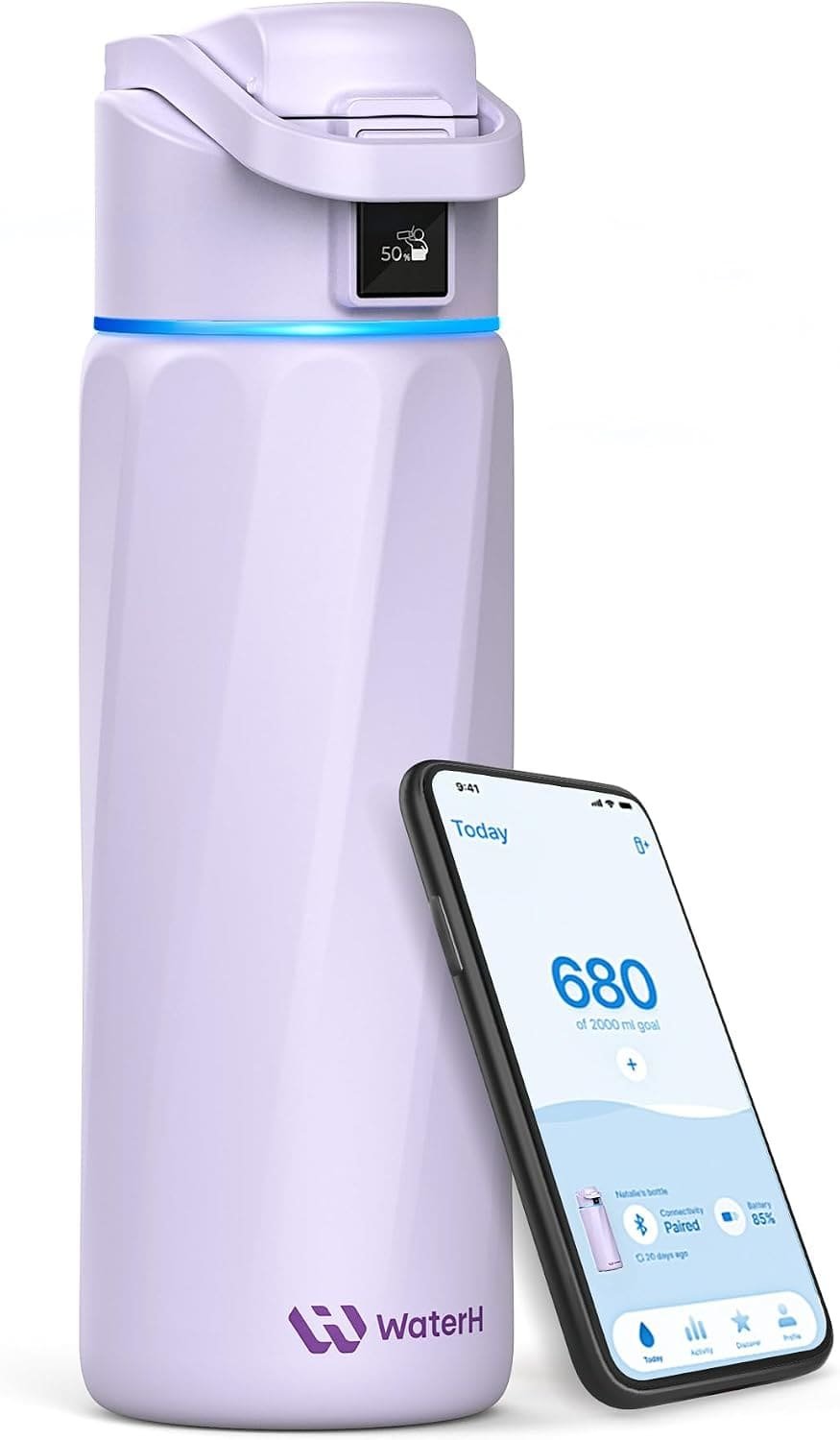
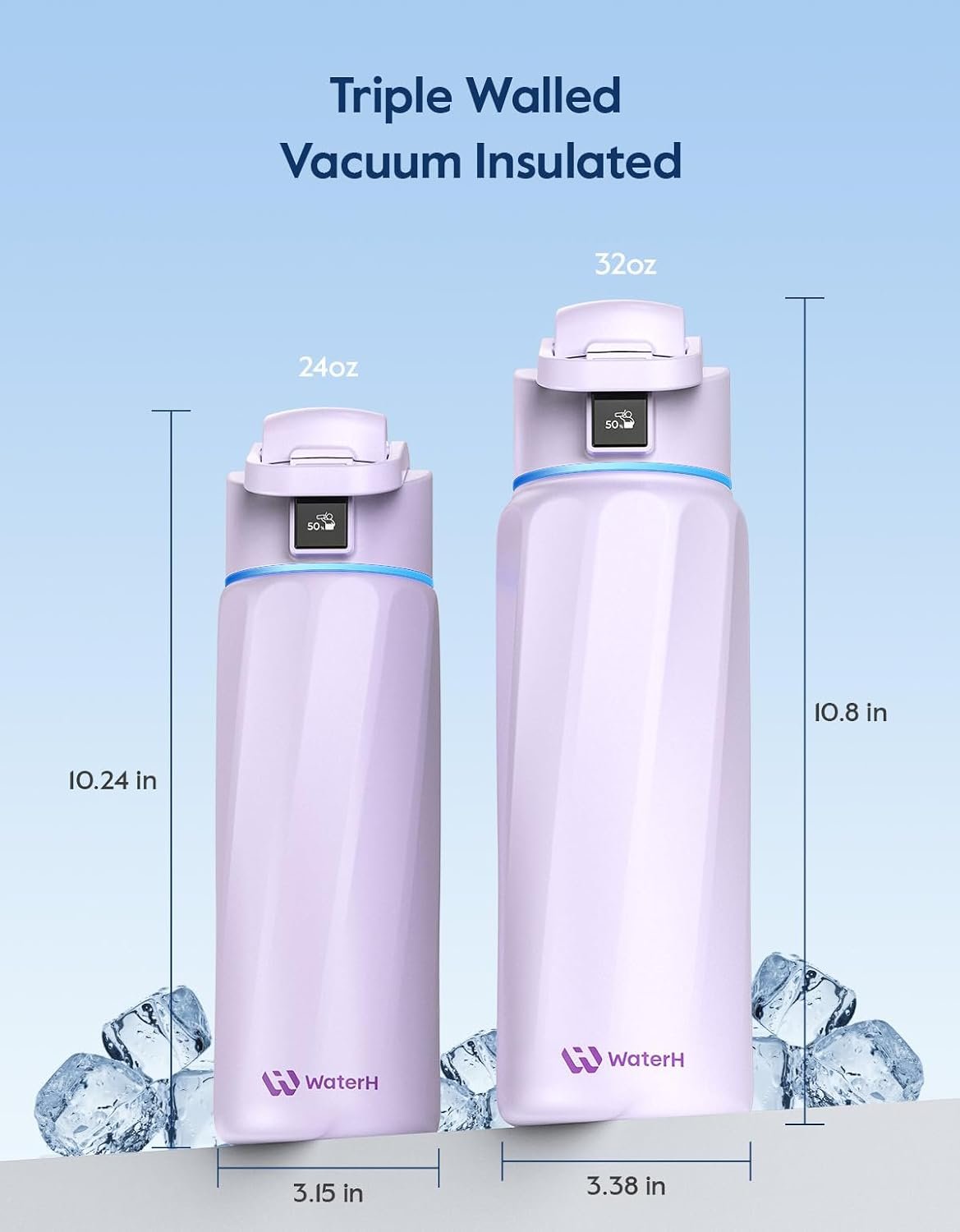
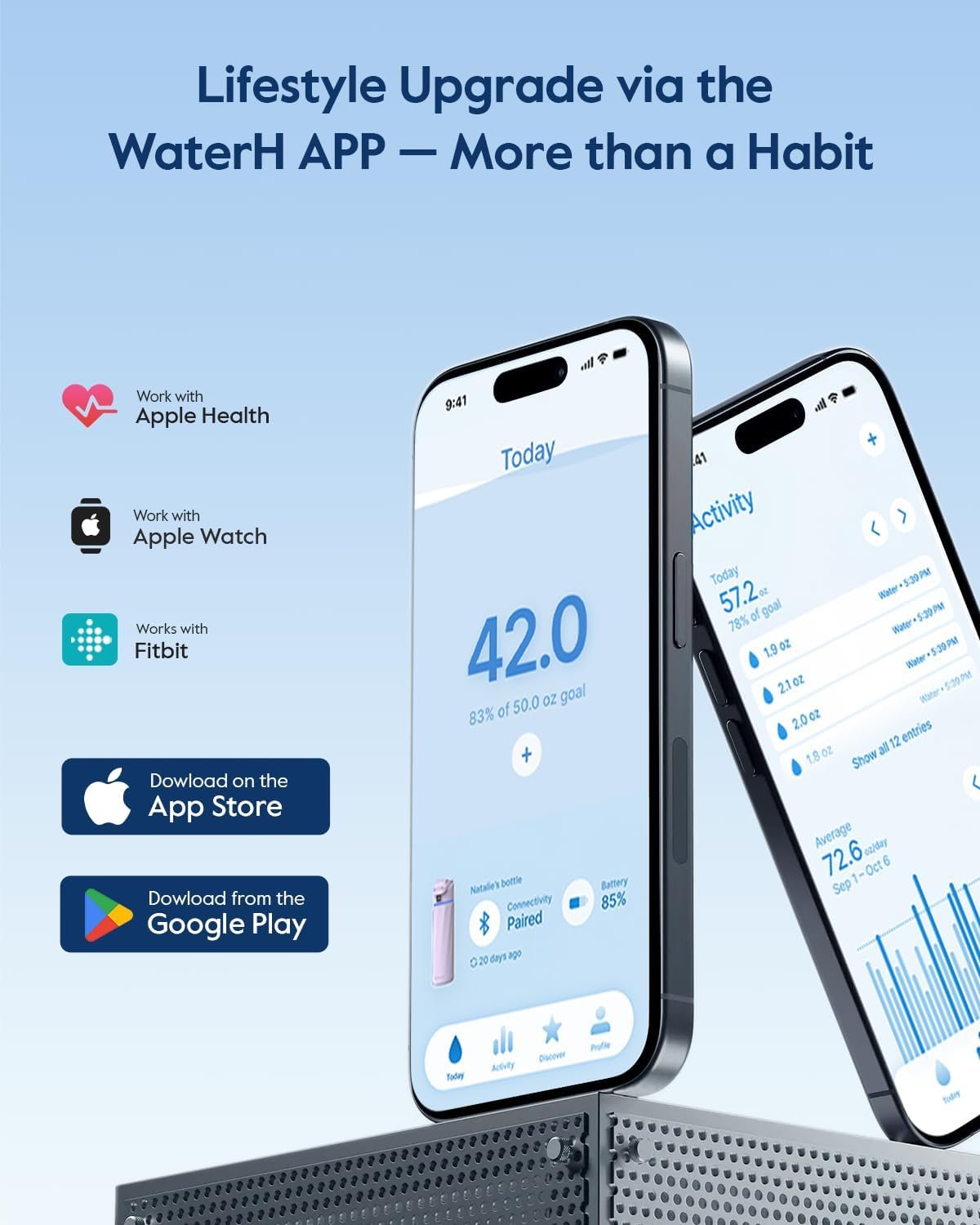
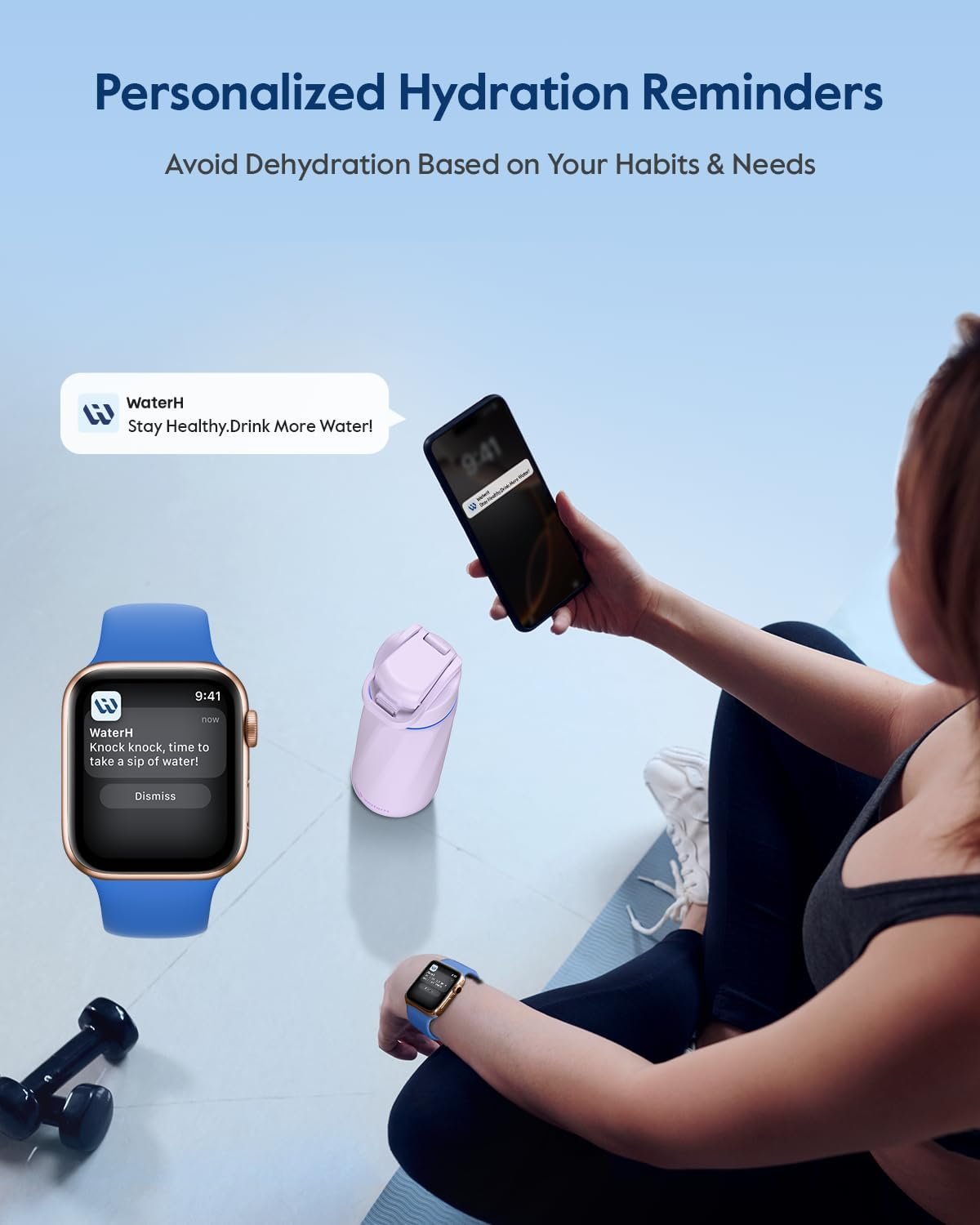
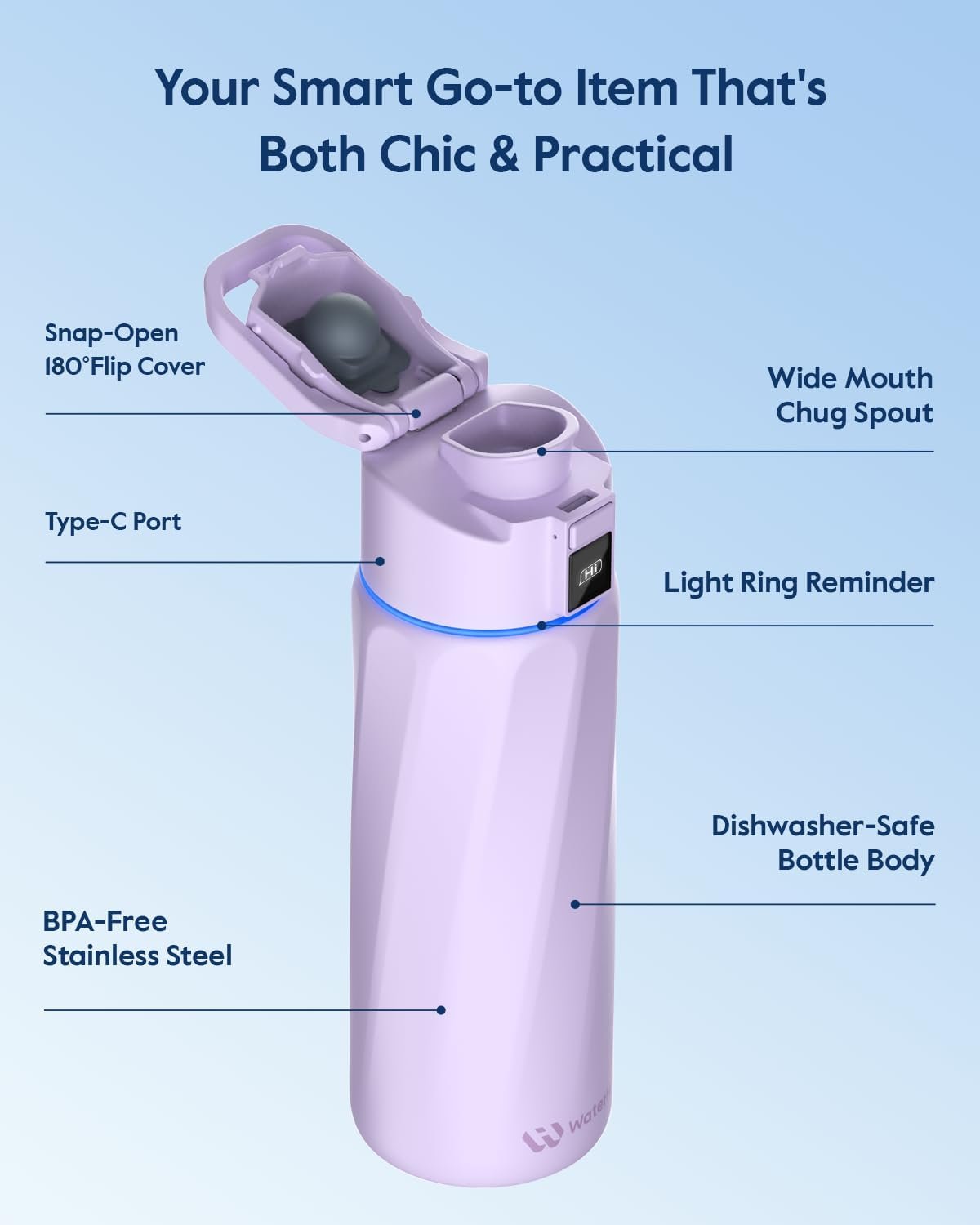
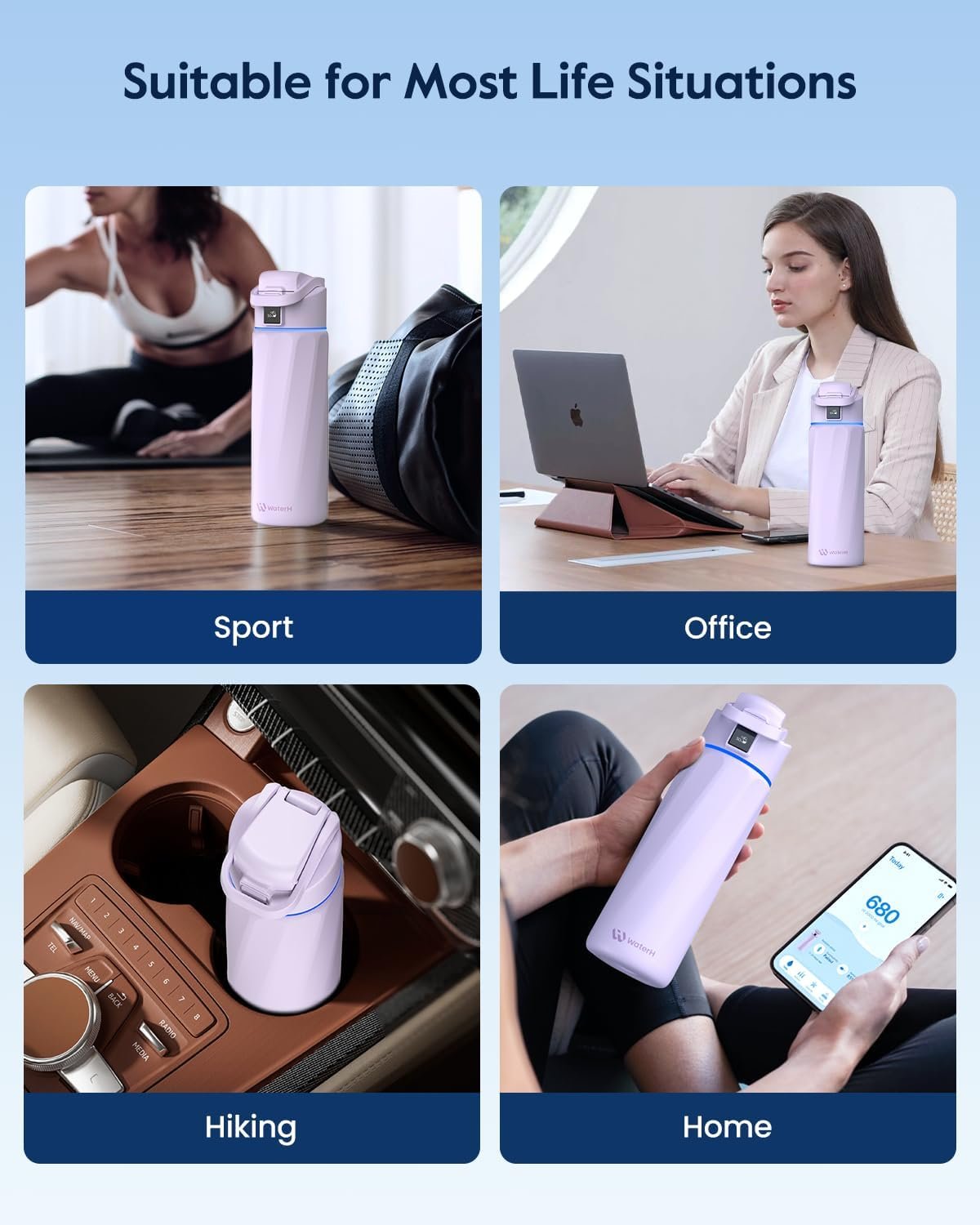
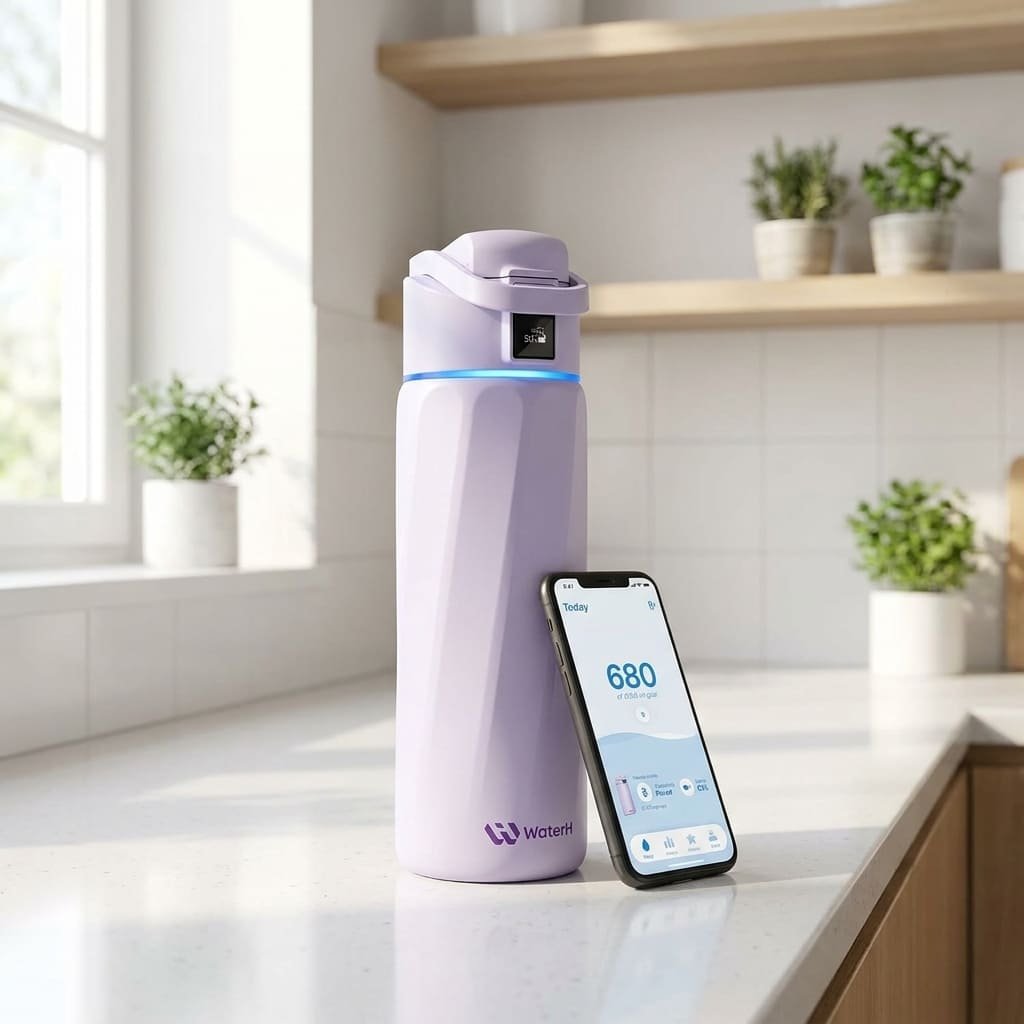
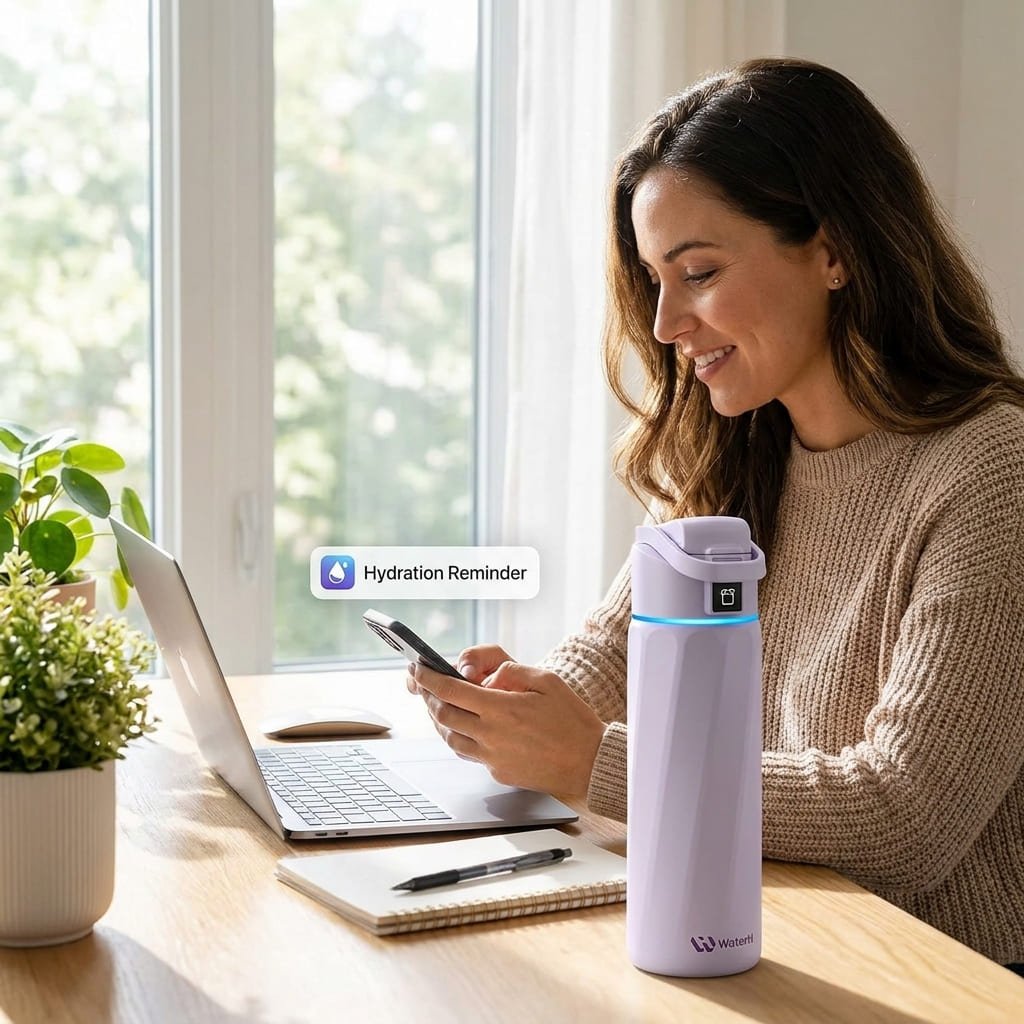
This is the WATERH Boost, a 710ml (24oz) insulated stainless steel smart water bottle with a wide mouth opening, BPA-free construction, and a built-in sensor that connects via Bluetooth to a companion app. The app sends reminders throughout the day and tracks how much you’ve actually had to drink from this smart water bottle.
Like most products in this category, this smart water bottle bundles genuinely useful hardware — insulation, food-safe materials, a wide opening — with a software layer built specifically to nudge behavior. Separating those two things is the whole point of this smart water bottle review.
Key Specs for This Smart Water Bottle at a Glance
- Capacity: 710ml (24oz)
- Material: BPA-free stainless steel, vacuum insulated
- Connectivity: Bluetooth, companion app
- Weight: Approximately 600g
- Opening: Wide mouth
Fact-Checking the Marketing
Claim: “75% of People Suffer From Chronic Dehydration” — Grade: Not Supported
This is the specific statistic used in this smart water bottle’s own product marketing to justify why you need reminders in the first place, and it’s worth checking carefully since it’s doing a lot of persuasive work.
According to StatPearls, a peer-reviewed clinical reference published through the National Institutes of Health, “mainstream media frequently claims that 75% of Americans are chronically dehydrated,” but “no scientific evidence in the medical literature supports this assertion.” The same source notes that actual dehydration prevalence is concentrated heavily in older adults specifically, at a rate of 17% to 28% — a real, documented figure, just a very different one than the 75% claim implies for the general population.
The same clinical reference states plainly: “Dehydration is uncommon in adults with no medical problems and unrestricted access to water.” For most healthy adults with normal access to fluids, the 75% figure isn’t just unsupported — it directly contradicts the clinical consensus on who actually experiences dehydration and why.
Claim: “8 Glasses a Day” (or Tracking a Fixed Number) — Grade: Partially Misleading
This smart water bottle, like most in its category, is built around tracking progress toward a specific daily ounce target. The underlying assumption behind this smart water bottle — that there’s one correct number everyone should hit — doesn’t hold up well either.
According to Mayo Clinic, the “eight glasses a day” guideline is “easy to remember, and it’s a good goal,” but fluid needs vary significantly based on activity level, climate, and individual health factors. StatPearls similarly notes that general guidance for adults falls in a range of 2 to 3 liters daily, adjusted individually, rather than one fixed universal target.
That’s not a knock against tracking intake — it’s a reason to treat any default number a smart water bottle app suggests as a rough starting point rather than a clinically precise requirement for this or any smart water bottle. Someone highly active in a hot climate genuinely needs more fluid than someone sedentary in a mild one, and a one-size-fits-all default target built into an app doesn’t automatically account for that difference unless it’s manually adjusted.
Claim: “Smart Reminders Help You Stay Hydrated” — Grade: Reasonably Supported
Unlike the two claims above, this one holds up better. Reminder-based behavior change is a well-established concept in behavioral science generally — people who receive periodic prompts do tend to follow through on a target behavior more consistently than people relying on memory alone, whether the behavior is drinking water, taking medication, or standing up during a workday.
This is really the one legitimate mechanism behind a smart water bottle’s core value proposition: not that most people are secretly dehydrated, but that a periodic nudge can help someone who genuinely wants to drink more water actually follow through on that intention. The distinction matters, because it reframes the product from “you have a hidden medical problem” to “you have a normal, common intention-behavior gap,” which is a far more honest pitch than the dehydration statistic suggests.
What This Smart Water Bottle Actually Does Well
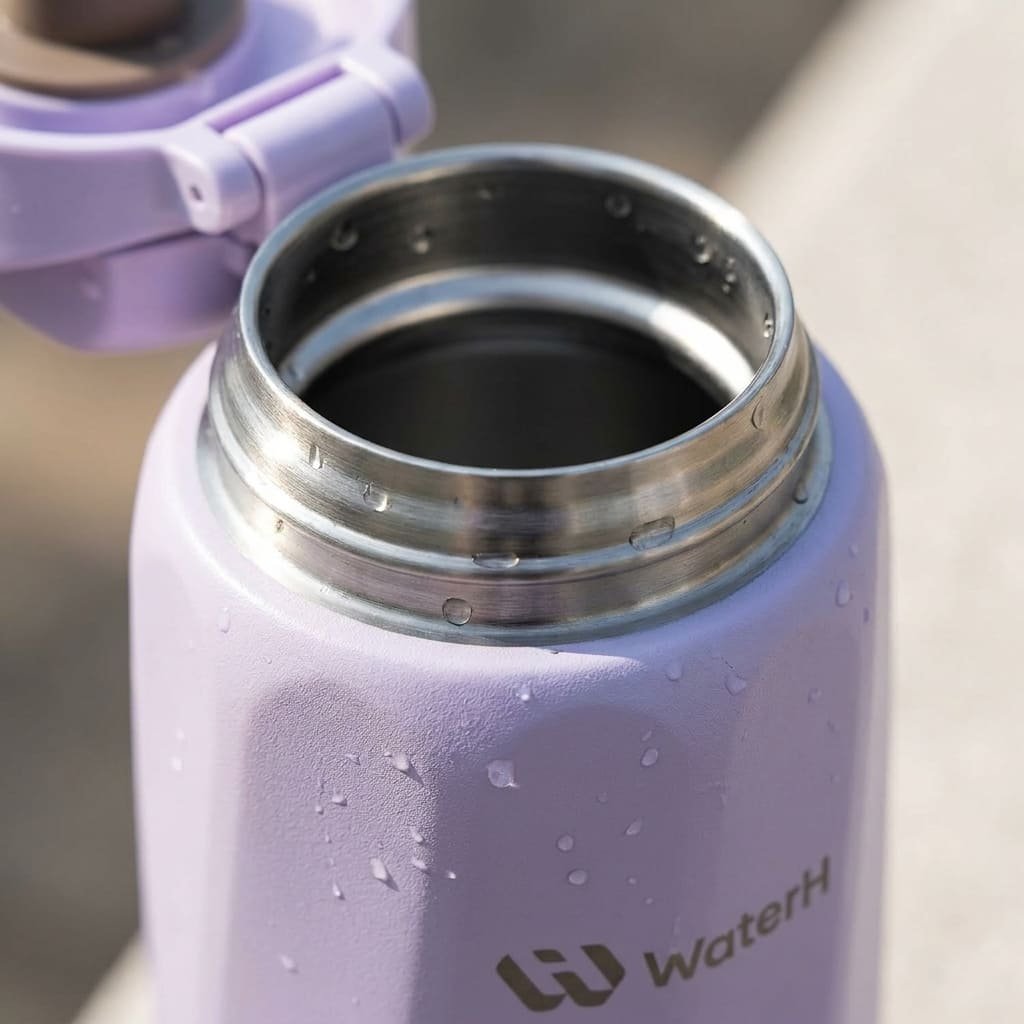
Setting the marketing claims aside, this smart water bottle itself is a reasonably well-built product. The vacuum-insulated stainless steel construction of this smart water bottle is a genuine functional upgrade over a basic plastic bottle, and the wide mouth opening makes it easier to add ice or clean thoroughly compared to narrow-necked designs.
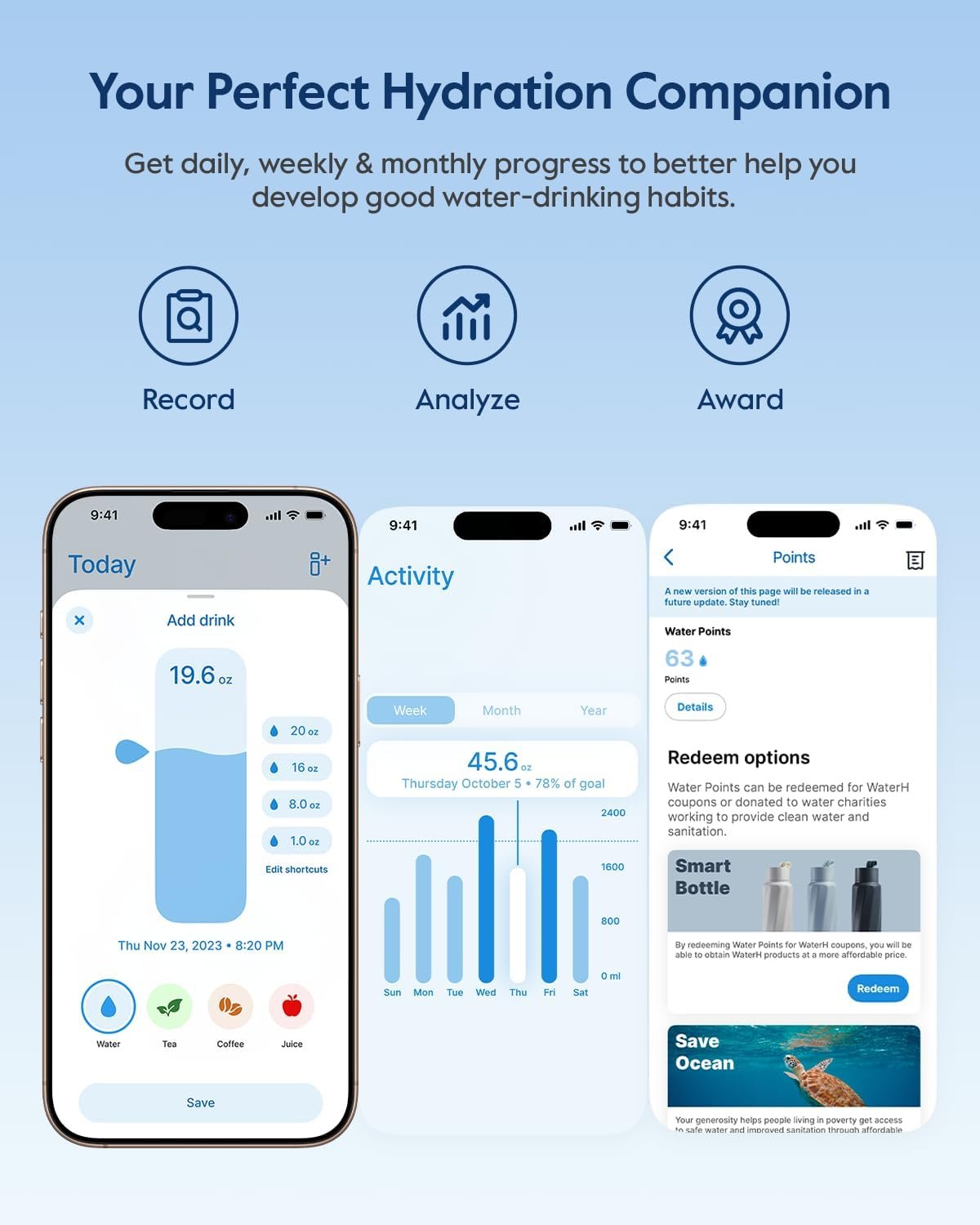
The BPA-free construction addresses a legitimate, separate health consideration — BPA exposure from certain plastics is a real area of ongoing research — independent of whether the hydration-tracking claims hold up. The Bluetooth-connected app, setting the “75%” framing aside, does provide a genuinely useful passive log of intake over time, which some people find motivating regardless of whether they were technically dehydrated beforehand.
None of this requires believing the inflated statistic used to sell this smart water bottle. A well-insulated bottle that logs your intake and nudges you periodically is a reasonable product on its own functional merits, whether or not three out of four people are secretly dehydrated the way the marketing implies.
What to Look for in a Smart Water Bottle
If you’re comparing this smart water bottle against other smart water bottle options, a few things are worth checking:
- Realistic default targets — look for apps that let you customize the daily goal rather than defaulting to one fixed number for everyone.
- Battery or sensor life — a smart water bottle that needs frequent charging defeats some of its own convenience.
- BPA-free, food-grade materials — this matters regardless of the tracking features attached to the bottle.
- Wide mouth for cleaning — a narrow opening makes thorough cleaning meaningfully harder over time.
- Marketing language versus mechanism — a genuinely useful reminder feature doesn’t need an inflated statistic to justify it.
- Data privacy for the app — a Bluetooth-connected smart water bottle typically syncs usage data somewhere, so it’s worth a quick check of what the companion app actually collects.
None of these criteria require special expertise to evaluate, and running through them before buying any smart water bottle helps separate genuinely useful features from marketing padding built around an inflated statistic.
Who Should Buy This Smart Water Bottle?
This smart water bottle is a reasonable fit for anyone who knows they struggle to remember to drink water throughout the day and finds a periodic app reminder genuinely motivating — the underlying reminder mechanism has real behavioral support, even if the dehydration statistic used to sell it doesn’t. It’s also a fine choice for anyone who simply wants a well-insulated, BPA-free bottle with a wide mouth, independent of any smart water bottle features specifically.
This smart water bottle is probably not necessary for anyone who already drinks water consistently throughout the day without needing prompts, since the core value here is behavioral support, not a health necessity implied by an inflated statistic. If you’re exploring other wellness tracking tools, our Wellness Gadgets & Tools reviews cover additional options worth comparing.
How We Evaluated This Product
This review of the smart water bottle is based on the manufacturer’s published specifications and marketing claims, fact-checked against a peer-reviewed clinical reference published through the National Institutes of Health, along with Mayo Clinic’s general hydration guidance.
Why This Kind of Statistic Spreads So Easily
It’s worth understanding briefly why a number like “75% chronic dehydration” ends up on so many smart water bottle listings in the first place, since the pattern repeats across a lot of wellness marketing generally. For a smart water bottle specifically, a specific, alarming statistic is more persuasive than a vague claim, and once one company uses it successfully, competitors tend to repeat it without independently verifying the original source.
Fact-checking research tracing this particular claim has linked earlier versions of it back to informal media segments and self-help literature rather than peer-reviewed studies — a common origin story for health statistics that spread widely online without ever being verified at the source. Once a number like that enters common circulation, it gets copied from listing to listing, gaining an appearance of credibility purely through repetition rather than evidence.
This is exactly the kind of pattern worth watching for across any wellness gadget category, not just smart water bottles specifically: a scary number attached to a product, repeated confidently enough that it stops getting questioned.
Frequently Asked Questions
Is the “75% of people are dehydrated” claim actually true? No — according to a peer-reviewed clinical reference published through the National Institutes of Health, no scientific evidence in the medical literature supports this widely repeated claim used in this smart water bottle’s marketing.
How much water do I actually need to drink per day? General clinical guidance suggests roughly 2 to 3 liters of fluid daily for most healthy adults, adjusted for activity level, climate, and individual health factors, rather than one fixed universal number a smart water bottle app might default to.
Do smart water bottle reminders actually work? The underlying mechanism — periodic reminders supporting behavior change — is reasonably well supported by behavioral science generally, even though the specific dehydration statistics used to market these products often aren’t.
Who is actually at higher risk of dehydration? Older adults specifically, with documented prevalence rates of 17% to 28%, rather than the general adult population implied by the commonly repeated 75% figure.
Is a BPA-free smart water bottle worth it if I don’t need reminders? Yes, independent of the tracking features, a well-insulated, BPA-free, wide-mouth bottle is a reasonable functional upgrade over a basic plastic bottle regardless of the smart features attached to it.
Should I ignore hydration tracking apps entirely given the debunked statistic? Not necessarily — the tracking feature can still be a useful, low-stakes way to build a habit, as long as the default target is treated as a rough guide rather than a medically precise requirement.
Does this smart water bottle require a subscription to use the app? Most products in this category, including this one, use a free companion app for basic reminders and tracking, though it’s worth confirming the current app requirements directly with the manufacturer before purchase.
Final Verdict on This Smart Water Bottle
The marketing behind this smart water bottle leans on a widely repeated but unsupported statistic, and it’s worth knowing that going in rather than assuming the “75%” figure reflects your actual risk. The reminder mechanism itself, however, has real behavioral support, and the bottle underneath the marketing — insulated stainless steel, BPA-free, wide mouth — is a solid, functional product on its own merits.
Buy this smart water bottle because a periodic nudge genuinely helps you drink more consistently, not because a debunked statistic convinced you that you’re secretly dehydrated. Judged on the actual mechanism rather than the marketing copy, this smart water bottle holds up reasonably well.
The broader lesson here applies well beyond this one smart water bottle: a product can be genuinely useful and still be sold with an exaggerated pitch, and those two facts aren’t in conflict with each other. Separating the two is really the whole point of a review like this one.
This article reflects publicly available product information and peer-reviewed medical research and is not medical advice. Consult a healthcare provider about your individual hydration needs, especially if you have a medical condition that affects fluid balance.